
How to Create an AI Influencer in 2026: A Step-by-Step Guide

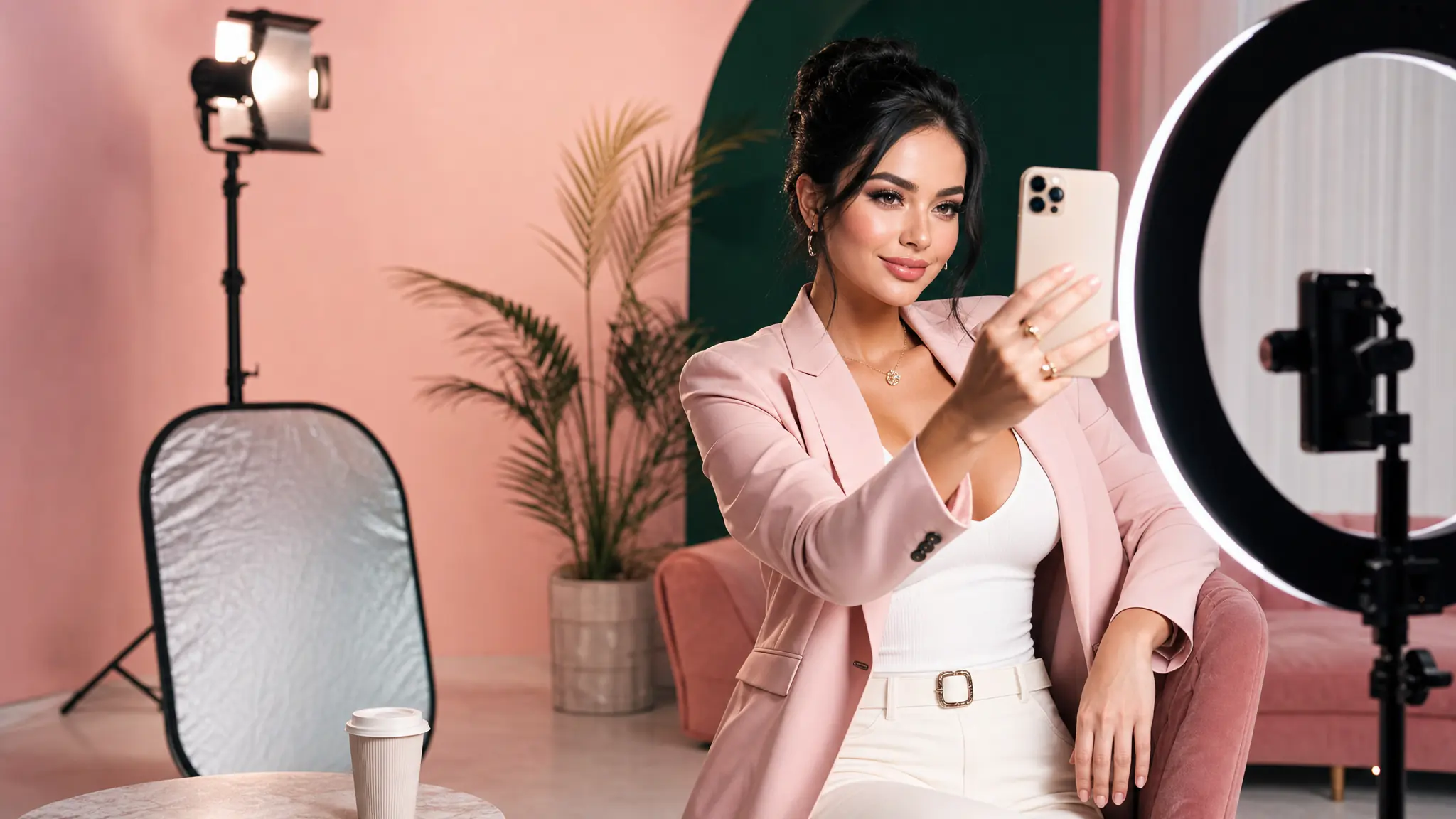
The hard part of being a creator used to be the production: filming, editing, photographing, recording. AI changes that — but only if you can produce content that's consistent enough to build an audience around. A different-looking face in every post doesn't compound; a single recognisable character does.
That's what an AI influencer is. Not a one-off generation, but a persistent virtual AI artist you reuse across hundreds of posts.
What is an AI influencer (and why brands are using them)
An AI influencer is a virtual character with a fixed identity — face, body, voice, signature aesthetic — that posts entirely AI-generated content. They look and feel like a creator: their feed has a coherent visual style, their videos lip-sync to their voice, their followers form a parasocial bond with the character.
Brands are leaning in for three concrete reasons:
- Production economics. A campaign with a human UGC creator costs $300-2,000 per asset and takes 5-14 days. The same asset from an AI influencer costs the price of a few credits and lands in minutes.
- Always-on schedule. AI influencers post every day if you want. They don't have other clients, vacations, or off days.
- Brand-safe by construction. No off-platform behaviour, no controversial old tweets, no PR risk from things they did before signing the deal.
The handful of AI influencers that have crossed a million followers — Lil Miquela, Aitana, Imma — proved the format works for human audiences. The bottleneck since then has been the tooling.
Step 1: Define your influencer's identity
Skip this and you'll waste credits on disconnected variations. Spend twenty minutes here and the rest of the build accelerates.
Write out, on a single page:
- Niche. Fashion? Tech reviews? Fitness? Travel? Pick one. You can broaden later but starting wide diffuses everything.
- Visual identity. Hair, skin tone, body type, eye colour, fashion register, recurring colour palette. Three reference images you'd want them to resemble.
- Voice and personality. Tone (warm, dry, snarky, confident), recurring topics, taboos, age, accent.
- The "why." What problem do they solve for their audience? Whose attention are you actually trying to win?
This page becomes the brief for every future generation.
Step 2: Generate the visual identity
Open the AI Artist Generator (this is where 7ART starts every influencer). Describe the look you wrote in step 1: the visual identity becomes a long prompt with appearance, style, lighting, and aesthetic.
이름, 성별 및 나이, 인종, 예술 스타일, 헤어스타일 등 네 가지 간단한 화면을 통해 나만의 AI 아티스트를 디자인하세요. 7ART에서는 아바타, 재사용 가능한 레퍼런스 시트, 그리고 어울리는 목소리 캐릭터가 담긴 데뷔 트랙을 렌더링해 줍니다.
Generate ten to twenty variations. Don't lock in the first one you like — generate enough that you can compare. The right character feels obviously theirs against the others.
Step 3: Lock in character consistency
This is the step that separates an AI influencer from a series of one-off images. In 7ART, save your chosen character as a reference. Every future generation — image, video, music video, lipsync — references this saved identity, so the character looks like the same person across thousands of pieces.
Generate 5–10 different angles of your influencer (front, three-quarter, profile, back, candid) and save them all to the reference set. Diversity in references reduces drift in future generations.
Step 4: Build the content engine
This is where most people lose momentum. The fix is a content matrix, not vibes-based posting.
Pick three formats your influencer will run:
- Daily posts: static images in their environment (city, studio, gym, beach — whatever fits the niche). Cheap, fast, builds the visual vocabulary.
- Weekly videos: 5-10s clips for Reels/TikTok. Variety: walking shots, talking-to-camera, demonstrating a product, reacting.
- Bi-weekly long-form: 30-60s videos with proper voice — narration over a montage, a "day in the life," a tutorial.
Then batch-generate. One sitting can produce two weeks of static posts; another sitting handles videos. Don't generate post-by-post in real time — that's where production costs creep back in.
Studio portrait of [SAVED_CHARACTER]: golden hour lighting, oversized cream sweater, minimal makeup, soft smile, looking off-camera, shot on 50mm, shallow depth of field, magazine editorial styleFor talking-head videos, the pipeline is: generate the still → generate voice via text-to-speech → lipsync the still to the audio. 7ART chains these in one workflow.
어떤 초상화든 오디오와 동기화되어 말하게 만들 수 있습니다. 얼굴을 업로드하거나 라이브러리에서 선택한 후, 음성 클립을 추가하면 말하는 동영상을 얻을 수 있습니다. Kling Avatar Pro에서는 최대 5분, 나머지 네 가지 엔진에서는 60초 분량의 동영상을 생성할 수 있습니다.
Step 5: Distribute across platforms
The same character, the same voice, three platforms with different rhythms:
- Instagram: square + portrait, 4–5 posts/week, Reels weekend
- TikTok: 9:16 vertical, 4–7 short videos/week, daily if you can
- YouTube Shorts: repost vertical content, longer-form monthly
Cross-post but adapt captions. The same content with platform-native voicing performs roughly 2× better than blind cross-posts.
Spin up your first AI influencer this weekend
The tools, the consistency, and the workflow — all in one place.
Common pitfalls to avoid
A few things every new AI-influencer builder gets wrong, in roughly the order they hit you.
Inconsistent character. This is the #1 failure mode. Solve it once by saving the character properly in step 3 and never go back to one-off generations.
Generic content. "AI influencer at coffee shop" doesn't drive engagement. Pick a niche, lean into it, repeat. Your most successful first post is usually a tightly-targeted piece your niche community can immediately recognise.
Skipping disclosure. Brand deals require disclosure that the creator is AI in the EU and increasingly elsewhere. Bake it into the bio, don't bury it. Audiences accept it; regulators don't accept hiding it.
Going dark. Algorithms reward consistency. Posting four pieces in a week then disappearing for two weeks kills momentum. Batch-generate enough content for two weeks at a time so a busy week doesn't break the schedule.
Before any commercial campaign, double-check the disclosure requirements for your audience's location. EU + UK + most of LATAM now require some form of "AI generated" labeling. Failing to disclose can kill brand deals retroactively.
The tooling has reached the point where the bottleneck isn't generation any more — it's deciding what to make and posting consistently. That part is up to you.
언급된 도구를 사용해 보세요
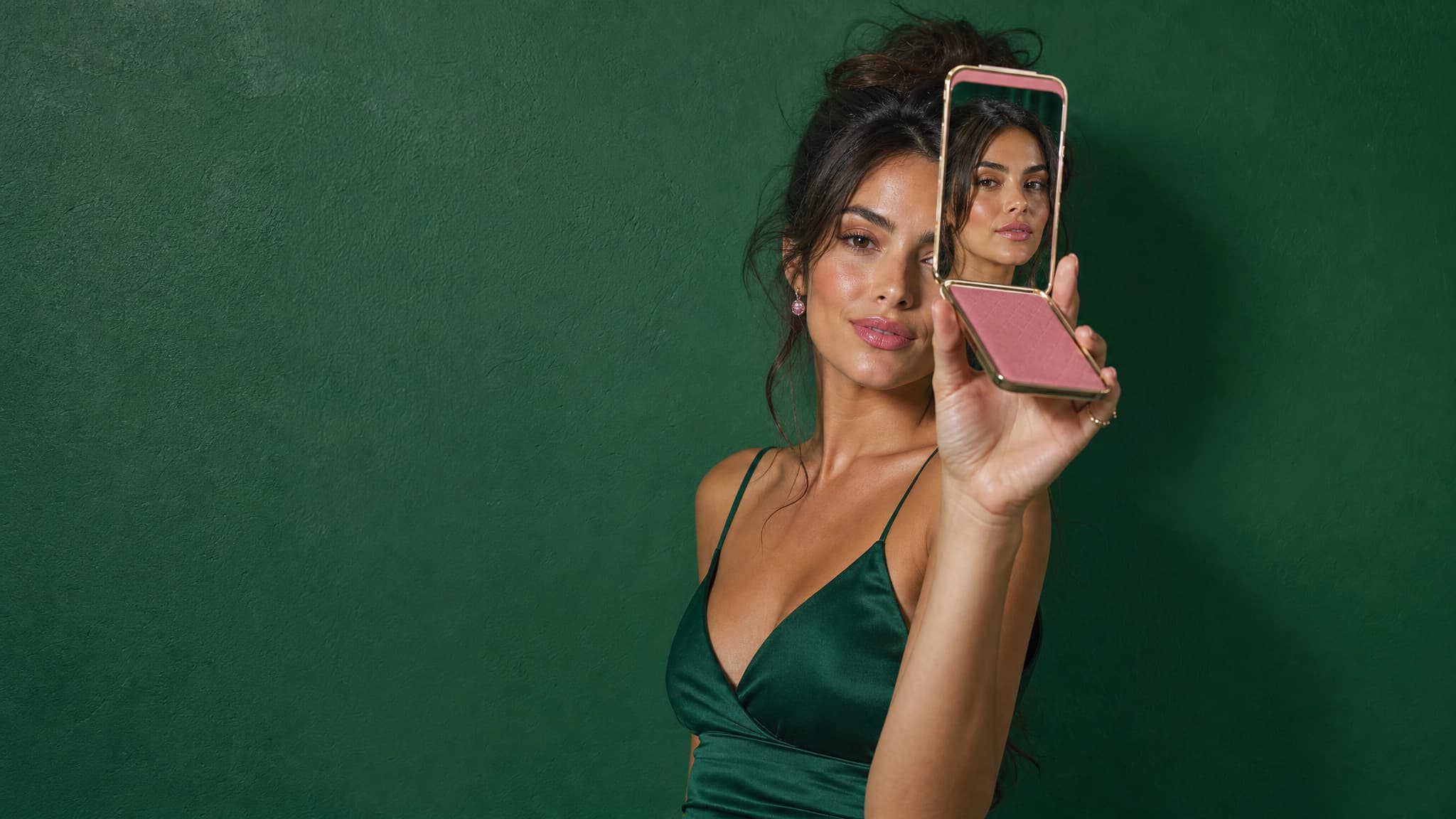
AI 인플루언서 크리에이터
브랜드를 위한 가상 인플루언서를 만들어 보세요 — 하나의 얼굴로 모든 컷을 소화합니다. 캐스팅, 계약, 촬영 일정 없이도 UGC 광고, 제품 노출 및 유료 소셜 미디어 마케팅을 진행할 수 있습니다.
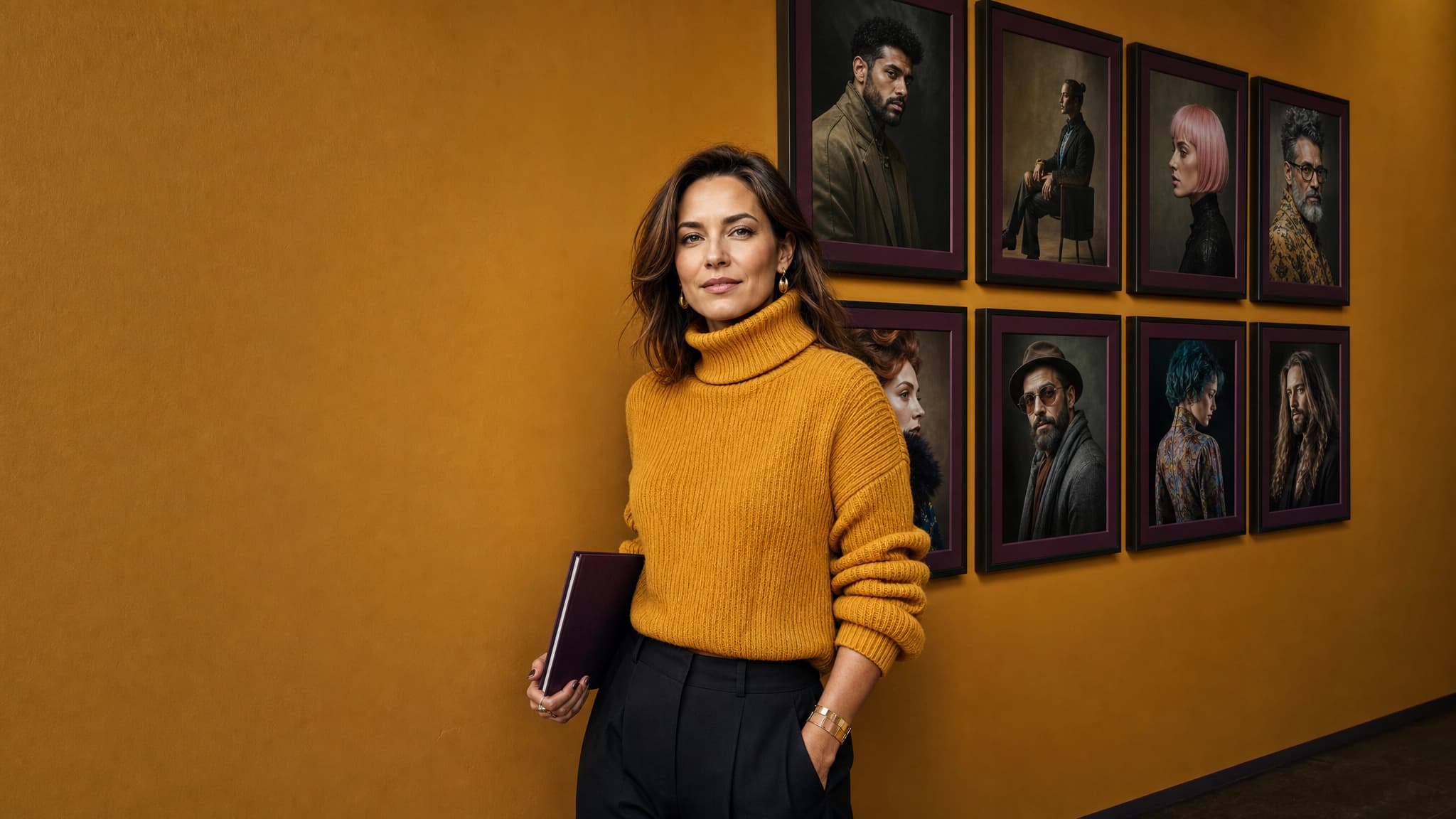
AI 아티스트 생성기
이름, 성별 및 나이, 인종, 예술 스타일, 헤어스타일 등 네 가지 간단한 화면을 통해 나만의 AI 아티스트를 디자인하세요. 7ART에서는 아바타, 재사용 가능한 레퍼런스 시트, 그리고 어울리는 목소리 캐릭터가 담긴 데뷔 트랙을 렌더링해 줍니다.
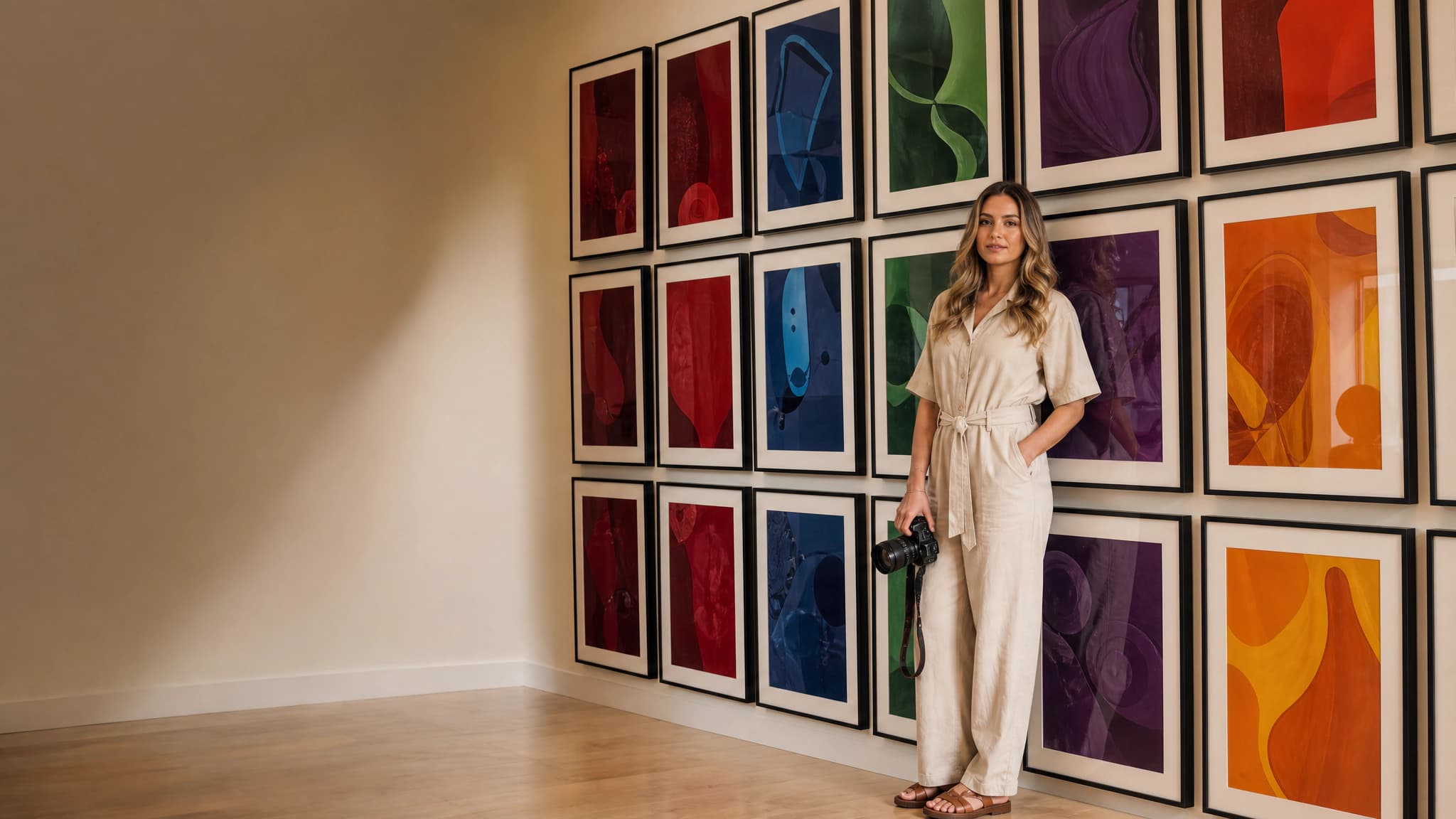
AI 이미지 생성기
AI 아티스트를 한 번만 생성하면, 이를 중심으로 모든 이미지를 생성할 수 있습니다. 16가지 모델, 최대 4개까지의 일괄 처리, 최대 10가지의 화면 비율을 한 곳에서 모두 이용할 수 있습니다.
Frequently asked questions

최신 소식을 받아보세요
뉴스레터 구독 신청 기능은 곧 제공될 예정입니다.
계속 읽기
How to Make UGC-Style Ads with AI (Without Hiring Creators)
Replace expensive UGC creator briefs with AI-generated UGC ads. A complete guide for marketers and brands.
 Gera B·2026년 5월 8일
Gemini Omni: What Google Actually Shipped, and How It Works on 7ART
Google's next-generation video model landed at I/O 2026 — and it isn't called Veo 4. What Gemini Omni Flash does, what Google documents, what it still can't do, and the exact settings and credit costs on 7ART.
 Ilyas I·2026년 8월 13일
Best Kling 3.0 Prompts for Cinematic AI Videos in 2026
A curated collection of Kling 3.0 prompts that produce cinematic, high-quality AI video. Plus prompt structure templates you can adapt.
Ilyas I·2026년 5월 5일