
How to Make UGC-Style Ads with AI (Without Hiring Creators)

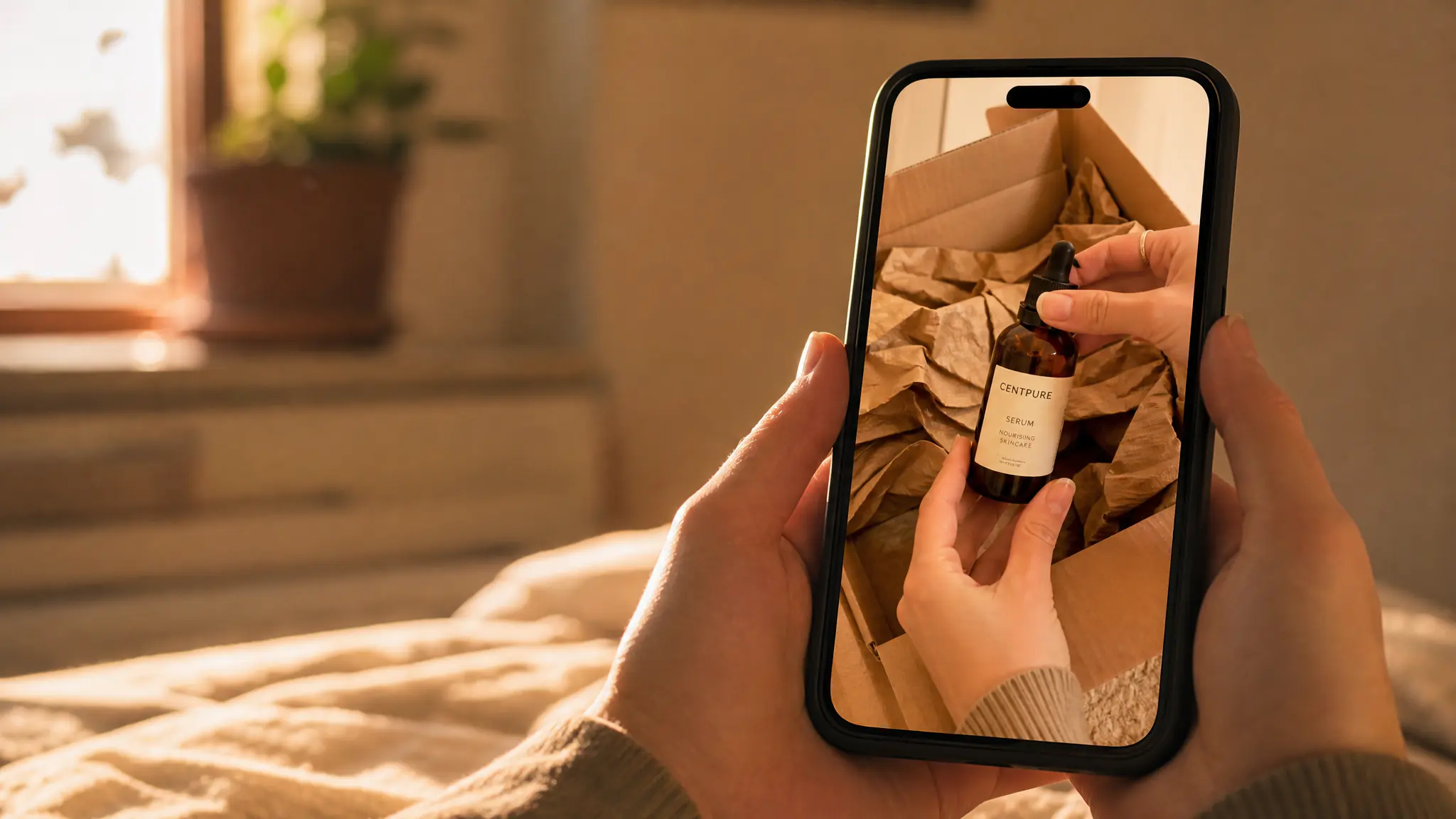
UGC ads — the casual, hand-held, "look at this product I love" format — are the highest-performing creative across Meta, TikTok, and YouTube Shorts in 2026. They cost a fraction of polished ads, convert at multiples, and feel native to the feed.
The catch has always been production. Sourcing real creators, briefing them, shipping product, waiting for footage, paying for revisions — a single asset takes 7–14 days and $300-2000. Performance marketing wants ten variations, not one. The math has never quite worked.
AI video — paired with an AI influencer you reuse across hundreds of variants — changes the math.
Why UGC ads outperform polished ads (and why AI changes the math)
The hierarchy of paid creative in 2026 is roughly:
- UGC-style talking-head with native phone framing
- Soft-promo creator content with light branding
- Polished branded content
- Static graphics
The gap between #1 and #4 is often 3-5× CTR. UGC works because feeds are full of UGC; native attracts attention, "polished" attracts skip.
The bottleneck isn't creative quality. It's iteration speed. Performance marketing teams want 10-30 variations per campaign. With humans, that's a quarter's worth of work. With AI, it's an afternoon.
The ROI of AI UGC isn't winning the absolute best creative — it's winning by running ten variations at human-UGC unit cost. Volume + variation is the moat.
The classic UGC pipeline (and what's broken about it)
The traditional pipeline:
- Marketer briefs a creator
- Brand ships product (3-5 days)
- Creator films (1-3 days)
- Brand reviews, requests revisions (2-4 days)
- Creator delivers final files (1-2 days)
- Brand launches the ad
Total: 7-14 days, $300-2000, one variation. To A/B test five hooks you commission five creators or five reshoots — neither happens often in practice. So most UGC campaigns ship a single hook and hope.
Building UGC ads with AI: the 4-step pipeline
Replace the seven steps above with four:
- Define the persona
- Write the script
- Generate the talking-head
- Iterate
Total: hours, not weeks. Costs in credits.
Erstellen Sie einen virtuellen Influencer für Ihre Marke – ein Gesicht, jede beliebige Darstellung. UGC-Anzeigen, Produktplatzierungen und bezahlte Social-Media-Werbung ohne Casting, Verträge oder Drehtage.
Step 1: Create your UGC creator persona
UGC works because it feels like a real person. So your AI creator needs to feel like a real person — a specific demographic, a specific aesthetic.
Pick a persona that matches your buyer. For a skincare brand selling to 25-35-year-old women, design a 28-year-old woman who looks like she'd actually buy your skincare. For B2B SaaS, design a 30-something operator. Persona-product fit is half the work.
Save the persona in 7ART. Reuse them across ads — you want the same "creator" across a campaign so the tested variation is the message, not the face.
Step 2: Write the script
UGC scripts follow a tight structure:
- Hook (3-5 seconds): problem statement or pattern interrupt
- Body (15-30 seconds): what changed, what they tried, what worked
- Demonstration (5-10 seconds): product visible, in use
- CTA (3-5 seconds): action
Write five hooks per ad, body and CTA shared. The hook is what the algorithm tests against. Five hooks = five ads in the iteration set.
A 28-year-old woman in casual home setting, soft natural light from a window, holding a skincare bottle, mid-sentence, mouth slightly open, eyes engaged with camera, warm authentic expression, shot on iPhone 15 Pro, shallow depth of field, slight handheld camera movementThat's the visual; voice happens in step 3.
Step 3: Generate the talking-head video
This is where AI saves you the shoot. The flow:
- Generate a still of your creator in the right setting (1K image, ~8 credits)
- Generate the script audio with text-to-speech (a 30-second script ≈ 5 credits)
- Lipsync the still to the audio (a 30-second clip ≈ 60 credits)
Total for one finished UGC ad: under 80 credits. A Pro plan grant covers ~30 ads/month at this rate.
Lassen Sie jedes Porträt synchron zu Ihrer Audioaufnahme sprechen. Laden Sie ein Gesicht hoch oder wählen Sie eines aus Ihrer Bibliothek aus, fügen Sie einen Sprachclip hinzu und erhalten Sie ein sprechendes Video – bis zu 5 Minuten bei „Kling Avatar Pro“, 60 Sekunden bei den anderen vier Engines.
For motion shots — creator walking, picking up the product, applying it — generate short videos via the AI Video Generator and chain them in your timeline. Even with motion shots the cost stays well under $5/ad in compute terms.
Step 4: Iterate and A/B test
The reason this works is cycle speed. The traditional pipeline can't A/B test fast enough; the AI pipeline can.
Recommended cadence:
- Week 1: ship 5-10 hook variations against the same body + CTA
- Week 2: kill the bottom-performing 70%, generate 5-10 new hooks based on what worked
- Week 3+: start varying body + CTA against the winning hook
Most accounts find a 2-3× CPA improvement over their first 4-6 weeks of doing this — not because individual ads are better than human UGC, but because they were able to test enough to find a winner.
Run your first AI UGC test this week
Free during the demo. Build the persona, generate ten variations, ship to ads manager.
Performance benchmarks: AI vs human UGC
Numbers from accounts that ran both formats over the past 6 months:
- CTR: AI UGC matches the median human UGC asset, beats the bottom 50%.
- CPA: AI UGC sits 5-15% above the best human UGC at the single-asset level. At the campaign level (10+ variations) the AI campaign typically wins by 20-30% because of the test volume.
- Production cost: $5-30/ad for AI vs $300-2000/ad for human.
- Time-to-launch: hours vs weeks.
The ads that consistently fail are the ones that try to deepfake celebrities, make false health claims, or imitate a specific real-life creator without permission. None of those are AI-specific failures — they'd fail under human UGC review too. Stay within the lines.
The right comparison isn't "AI UGC vs the best human UGC ad you've ever shipped." It's "ten AI UGC ads vs one human UGC ad." That's the test that flips the unit economics, and it's the one performance teams are running every day in 2026.
Probieren Sie die genannten Tools aus
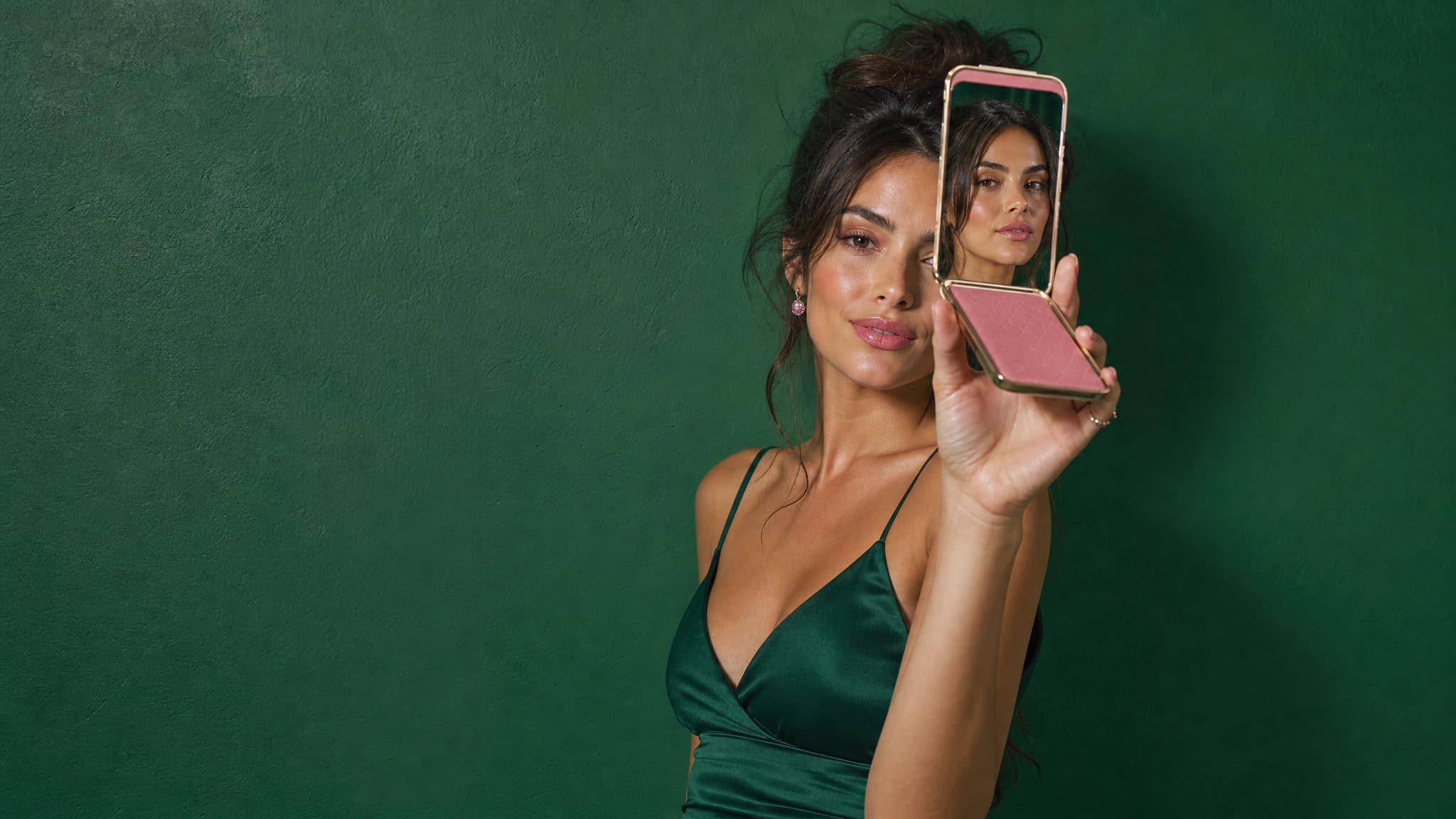
AI Influencer Creator
Erstellen Sie einen virtuellen Influencer für Ihre Marke – ein Gesicht, jede beliebige Darstellung. UGC-Anzeigen, Produktplatzierungen und bezahlte Social-Media-Werbung ohne Casting, Verträge oder Drehtage.
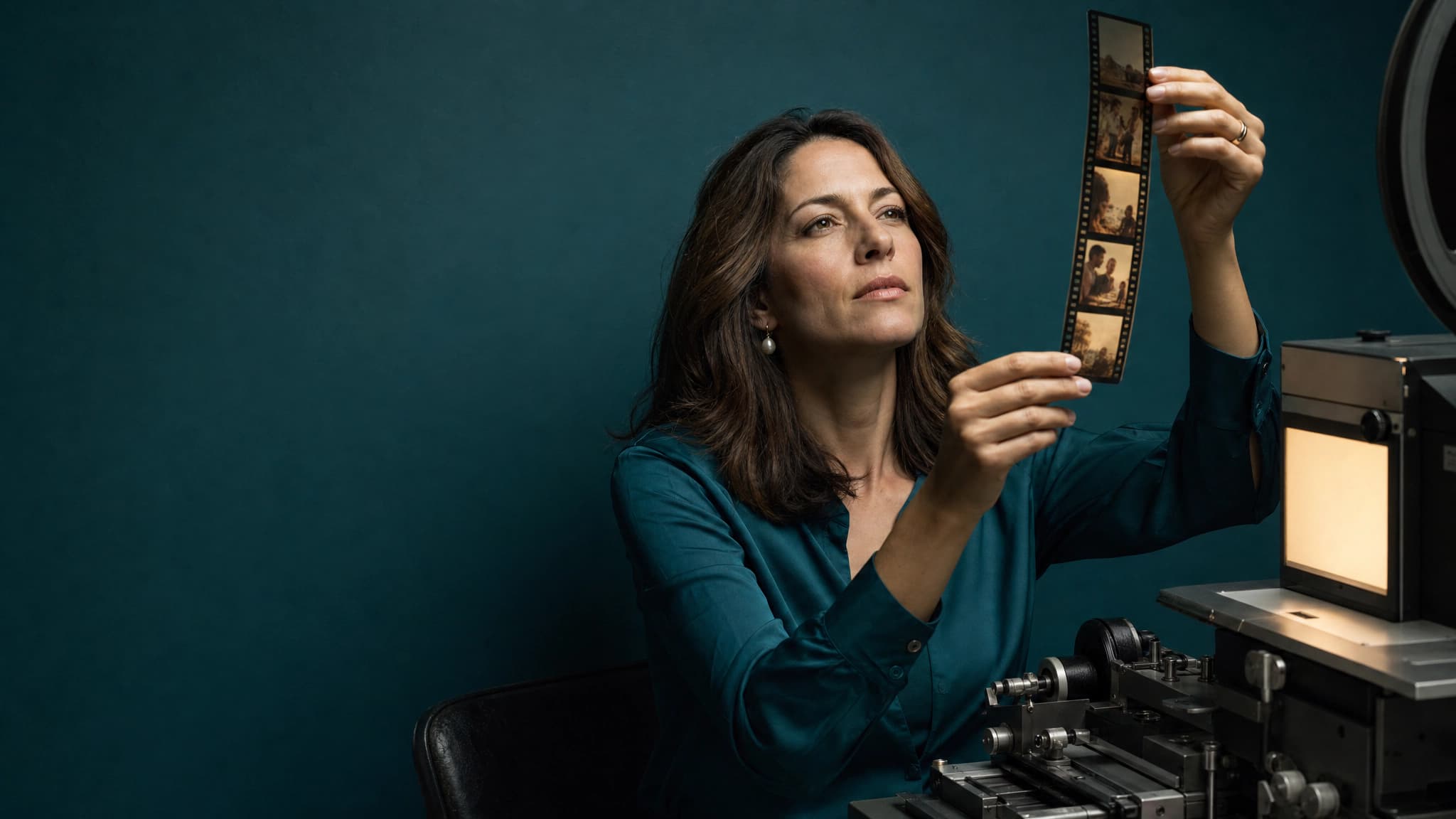
KI-Videogenerator
Bringen Sie Ihren KI-Künstler in Reels, TikToks, Werbeanzeigen und filmischen Clips zum Leben. Kling, VEO 3.1, Seedance, Wan, Grok Imagine, MiniMax H3 und unser eigenes 7Video – alle wichtigen Videomodelle in einem Arbeitsbereich.
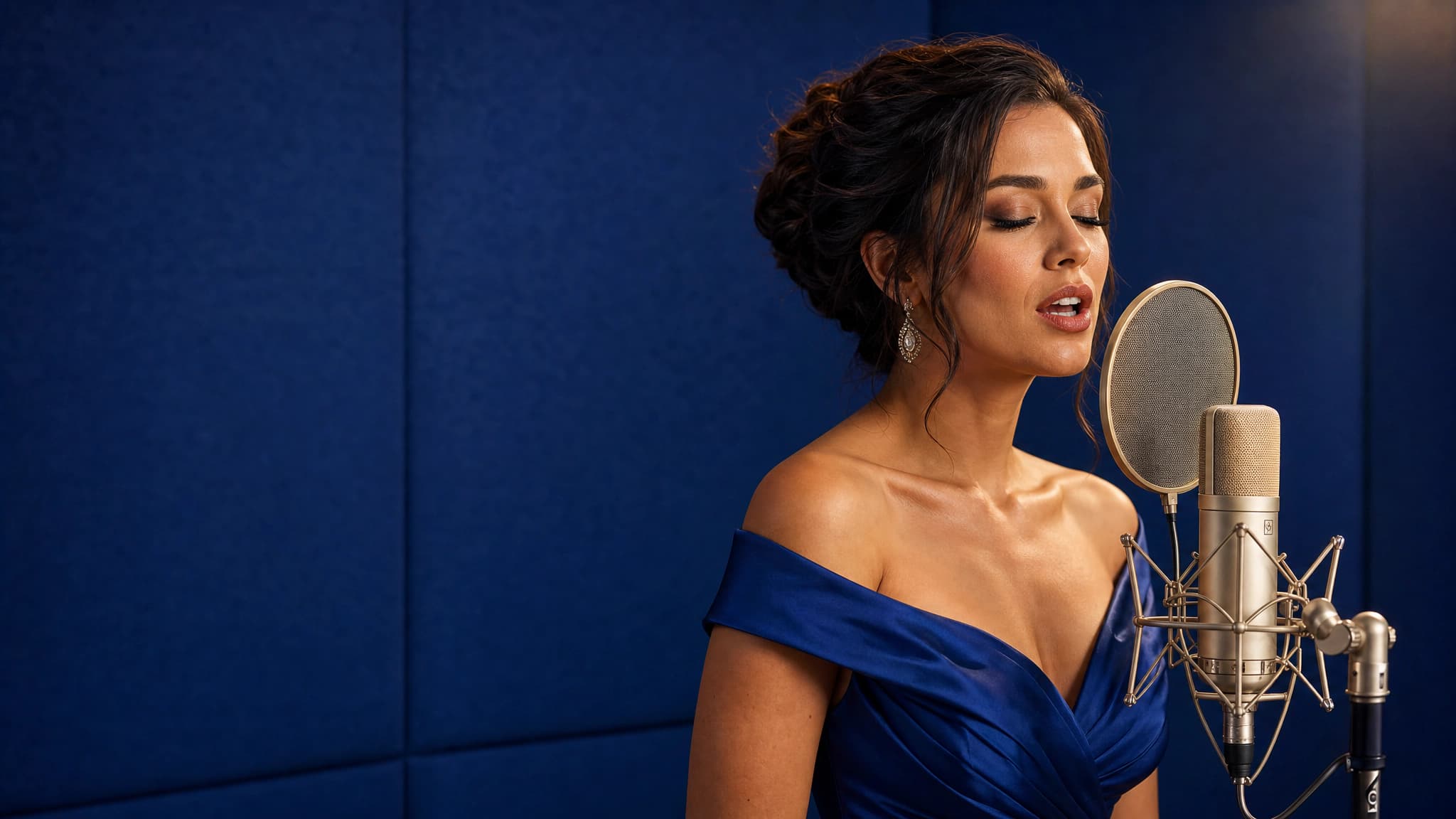
KI-Text-to-Speech
Verwandeln Sie ein Skript innerhalb von Sekunden in natürlich klingende Sprache. 22 Studio-Stimmen, drei ElevenLabs-Modelle, einstellbare Geschwindigkeit und Dialoge mit mehreren Sprechern – bis zu 5.000 Zeichen pro Durchlauf.
Frequently asked questions

Gera B
Der Schwerpunkt liegt auf Anwendungsfällen für KI-Kreativwerkzeuge, Marketinganwendungen und Fallstudien zu Marken – dabei werden Generierungstools in echte, einsatzbereite Arbeitsabläufe für 7ART-Nutzer umgewandelt.
Bleiben Sie auf dem Laufenden
Die Anmeldung zum Newsletter ist in Kürze möglich.
Weiterlesen

How to Create an AI Influencer in 2026: A Step-by-Step Guide
A step-by-step guide to building a virtual influencer with consistent face, style, and voice — and using them to grow an audience or run brand campaigns.
 George R·10. Mai 2026
Gemini Omni: What Google Actually Shipped, and How It Works on 7ART
Google's next-generation video model landed at I/O 2026 — and it isn't called Veo 4. What Gemini Omni Flash does, what Google documents, what it still can't do, and the exact settings and credit costs on 7ART.
 Ilyas I·13. Aug. 2026
Best Kling 3.0 Prompts for Cinematic AI Videos in 2026
A curated collection of Kling 3.0 prompts that produce cinematic, high-quality AI video. Plus prompt structure templates you can adapt.
Ilyas I·5. Mai 2026