
 7ART
7ARTGoogle Veo 4 on 7ART
Google's next-generation AI video model is launching at Google I/O 2026. It's coming to 7ART at launch. Build with the most-anticipated video model the moment it ships.
What we know about Veo 4 ↓Powered by the best generation models


What is Veo 4?
Google Veo 4 is Google's next-generation AI video model, sitting at the top of the Veo lineage that started with the original Veo, hit mainstream workflows with Veo 3, and matured into Veo 3.1. Each generation has roughly doubled the practical clip length, pushed resolution, and tightened consistency — and Veo 4 is positioned as the leap that closes the gap between “AI video clip” and “AI short film.”
For 7ART, that means the workflows you already run — single AI artist across image, music, video, and lipsync — get a much stronger video engine. Veo 4 slots into the same model picker you use for Veo 3.1, Kling 3, and Seedance 2 today. No new account, no separate subscription, no new UI to learn.
Expected capabilities
Longer clips
15-30 second range in a single shot (rumored). Veo 3.1 caps at 8s; Veo 4 is expected to push past the under-10-second ceiling that defines current diffusion video — the difference between a clip and a scene.

Native 4K output
True 4K generation, not upscaled. Output resolution is set at the model level rather than reconstructed post-hoc, so detail and motion both live at 4K natively. Future-proofs your library for the next two display generations.

Locked character identity
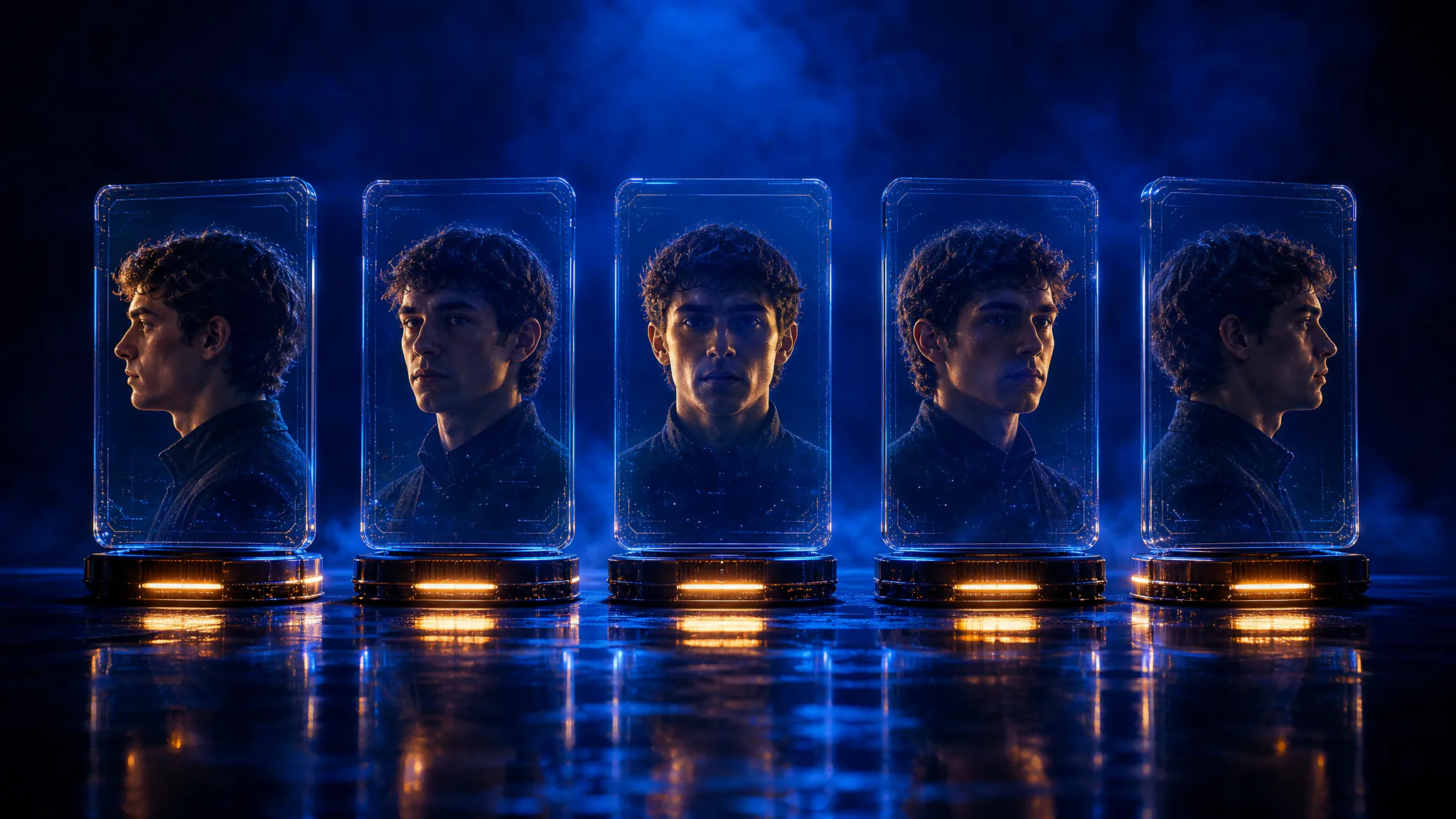
Reference-embedding for the same face, outfit, and pose across multiple shots. Today's models drift between cuts; Veo 4 is expected to hold character consistency the way image models hold style — the same person across scenes, not seven cousins.
Storyboard-to-sequence
Generate multi-shot sequences from structured input — per-shot prompts plus transitions. Closes the gap between single-clip generation and short-form narrative; you describe a scene, the model returns a sequence that flows.

Cinematography controls
Explicit camera commands — dolly, pan, focus pull, rack — instead of relying on prose hints. Same intent as Kling's motion brush, exposed at the prompt level so you can direct the shot the way a DP would, not by hoping the model interprets adjectives.

Multi-stem audio
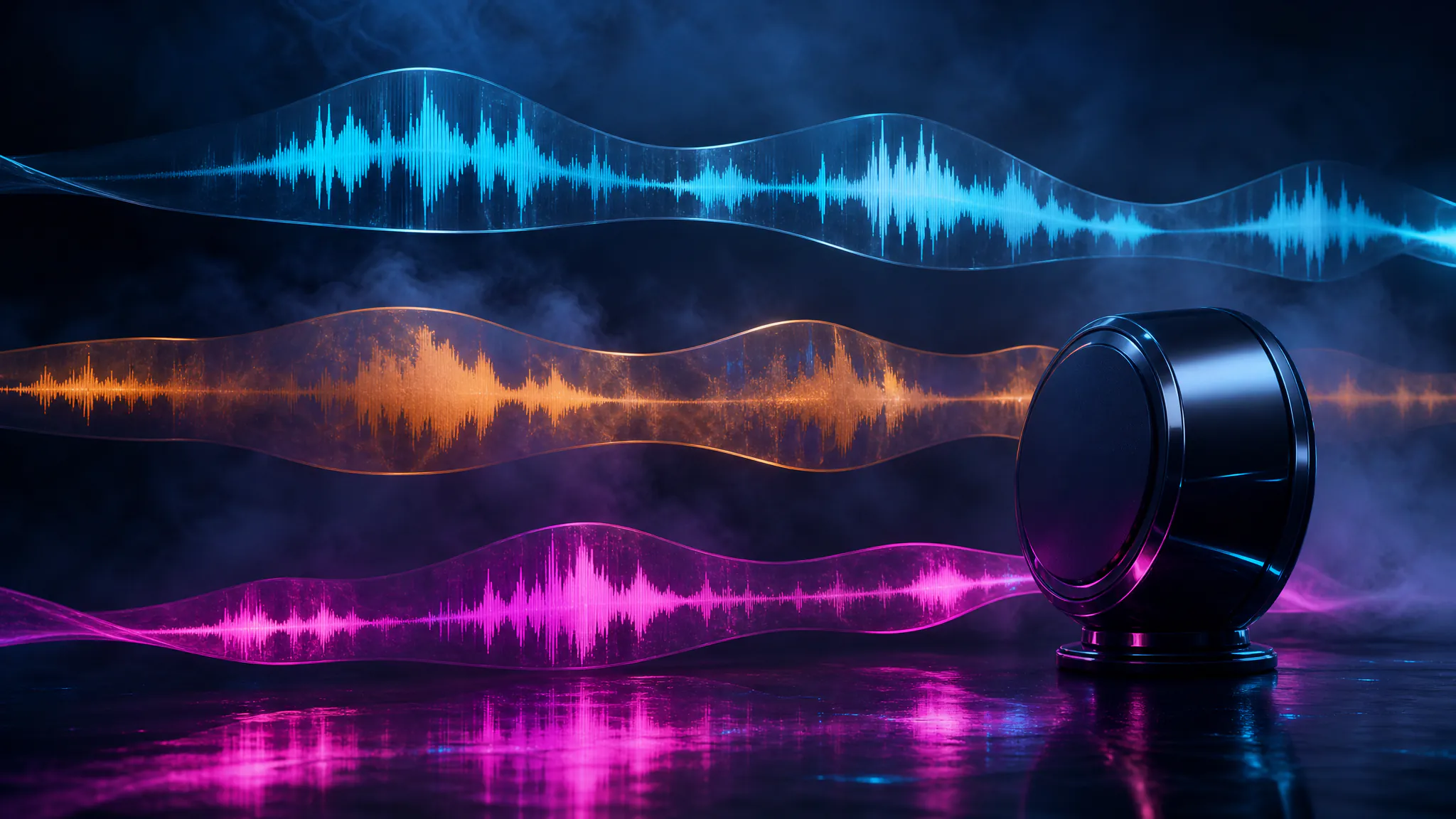
Dialogue, ambient, and music as separately addressable tracks. Today's in-model audio is a single mixed render; multi-stem unblocks post-production editing inside the same generation — turn down the music without losing the dialogue.
Capabilities listed are based on credible industry expectations and Google's research direction. Final feature set will be confirmed at official Google I/O 2026 reveal.
How Veo 4 compares
| Feature | Veo 4 (expected) | Veo 3.1 | Kling 3 | Seedance 2 |
|---|---|---|---|---|
| Max clip length | 15-30s (expected) | 8s | 5 min | 10s |
| Native 4K | Yes (expected) | No (1080p) | Yes | No |
| Character consistency | Yes (expected) | Limited | Partial | Strong |
| Native audio | Multi-stem (expected) | Mixed track | No | Yes |
| Cinematography controls | Explicit (expected) | Prompt-based | Mature | Basic |
| Available on 7ART | Day 1 of launch | Yes | Yes | Yes |
Why 7ART for Veo 4
One platform for all top video models — no separate subscriptions. Character consistency across Veo 4 and every other 7ART tool (image, music, lipsync). And the workflow you're already using just slots Veo 4 in as another model option.
Be first to use Veo 4 on 7ART
One email when it's live. No drip, no marketing list churn.
Combine with other 7ART features
AI Video Generator with Character Consistency
Animate your AI artist into Reels, TikToks, ads, and cinematic clips. Nine state-of-the-art video models, sound included, every aspect ratio – in one place.
AI Artist Generator
Design your AI artist in eight steps – face, style, music genre, voice – then use them across images, videos, music, and lipsync.
AI Image Generator with Character Consistency
Create your AI artist once, then generate every image around them. Multiple state-of-the-art models, every aspect ratio, every style – in one place.