Best Kling 3.0 Prompts for Cinematic AI Videos in 2026

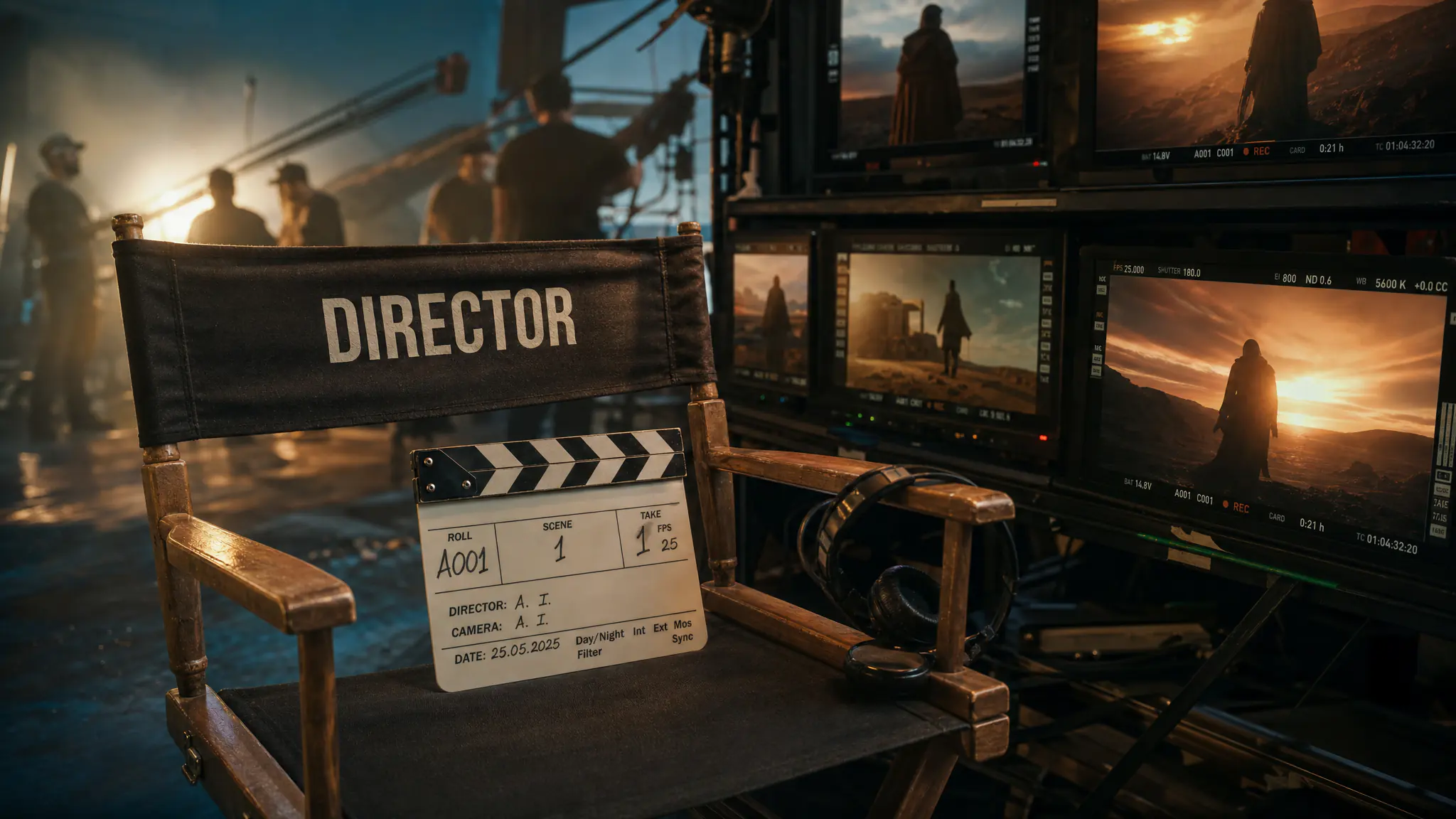
Kling 3.0 has been out long enough now that the community has converged on a prompt structure that consistently produces cinematic results. This isn't theoretical — these are patterns I see used in the highest-performing AI video work shipping on Instagram, TikTok, and (increasingly) brand campaigns.
The short version: Kling rewards cinematography vocabulary. The more your prompt reads like a director's brief, the better it generates. Pair this guide with our Motion Control flow for camera moves you can actually reference.
What makes a good Kling 3 prompt
A good Kling 3 prompt does three things:
- Anchors the subject visually. What is in frame, what they're wearing, what they're doing.
- Specifies the camera. Which lens, what move, what angle, what framing.
- Describes the lighting and atmosphere. Time of day, light source, mood.
Skip any of those three and Kling fills the gap with something average. Include all three with specificity and the model produces shots that look art-directed.
Treat prompts like a director's notes to a DOP. "Subject, camera, lighting, mood" — in that order — produces noticeably better output than freeform descriptions.
The Kling prompt structure: 5 components that matter
Every reliably-good Kling 3 prompt I've seen follows this shape:
- Subject + action. "A young woman walking through a neon-lit Tokyo arcade at night."
- Camera spec. "Low-angle tracking shot, 35mm anamorphic lens, shallow depth of field."
- Camera motion. "Slow dolly forward over 6 seconds, slight handheld jitter."
- Lighting + atmosphere. "Cyberpunk neon — magenta and cyan, fog drifting, light rain on the floor reflecting signage."
- Style anchor. "Cinematic, Blade Runner 2049 aesthetic, film grain."
Most weak prompts skip components 2-4 and overload component 1. The fix is to spread your specificity across all five.
10 ready-to-use prompts
Each example below pairs a specific shot with the prompt that produced something close to the target. Copy and adapt.
1. The cinematic walk-and-talk
A confident woman in a charcoal trench coat walking briskly through a misty city street at dawn, looking ahead with purpose. Tracking shot from behind, 35mm lens, eye-level, slight handheld movement. Steam rising from manholes. Cool blue tones, low-key lighting, single golden street lamp. Cinematic, slow dolly forward over 5 seconds, film grain.2. Product hero in golden hour
A premium ceramic coffee cup on a marble countertop, steam rising in golden afternoon light streaming through a window. Macro shot, 90mm lens, extreme shallow depth of field, focus pull from background to cup over 4 seconds. Warm tones, soft window-light, dust motes visible in the beam. Magazine product photography aesthetic.3. The character close-up
Close-up of a thoughtful young man in his late twenties, soft natural light from a window beside him, faint smile slowly forming. 50mm lens, eye-level, very shallow depth of field. Static shot with subtle micro-expressions. Warm cream-and-amber palette, muted tones, editorial portrait look.4. The product unboxing motion
Hands carefully opening an elegant matte-black product box on a clean white surface, revealing a metallic device inside. Top-down 4K shot, slow downward push-in over 6 seconds. Soft diffused studio lighting, no shadows. Premium minimalist aesthetic, slight reflective highlights on the device, satisfying reveal pacing.5. Cinematic establishing shot
Wide aerial drone shot of a small village at sunset, rolling hills behind it, smoke rising from chimneys, golden light raking across the landscape. Slow drone push forward, 24mm wide lens, slightly above tree-line. Anamorphic widescreen, warm orange-magenta sky, sense of stillness. Reminiscent of Roger Deakins.6. Talking-head ad cut
A 30-year-old woman in a bright kitchen, holding a green smoothie, mid-sentence with engaged eye contact to camera, slight handheld movement as if filmed on a phone. Natural soft daylight from a window, casual clothing, authentic expressions. UGC aesthetic, vertical 9:16, iPhone 15 Pro look, lightly grainy.7. Slow-motion action
Slow-motion shot of a basketball player mid-jump, ball leaving fingers, droplets of sweat suspended in air. 80mm telephoto, side angle, very shallow depth of field. Stadium lights creating long lens flares, motion-blur on background. 240fps look, dramatic backlighting, sweat detail visible.8. Nature macro
Macro close-up of a single dewdrop sliding down a green leaf at dawn. 100mm macro lens, extreme close, slight tilt-shift effect. Cool morning blue-green light, fog drifting in background, soft focus on everything except the dewdrop. Nature documentary aesthetic, slow gentle motion, peaceful pacing.9. Product motion shot
A pair of sneakers sliding into frame on a polished concrete floor, coming to a stop in front of camera. Low-angle 24mm wide shot, slight push-in, dramatic side-lit lighting with deep shadows. Cinematic sneaker commercial aesthetic, charcoal-and-amber palette, slight lens flare, cinematic 24fps motion.10. The reaction-shot vlog frame
A creator filming themselves on a phone, showing genuine surprise as they see something off-camera, mouth slightly open, eyes wide. Vertical 9:16 framing, handheld iPhone 15 look, kitchen background slightly out of focus. Natural midday light, authentic UGC vibe, no studio polish. Mid-action freeze.Style modifiers that work well in Kling
A short list of phrases that consistently improve output, drop them at the end of any prompt:
- For warmth: "warm amber palette," "golden hour," "soft tungsten light"
- For depth: "shallow depth of field," "anamorphic lens," "f/1.8"
- For cinema feel: "cinematic," "24fps motion," "film grain," "anamorphic"
- For realism: "iPhone 15 Pro," "handheld," "lightly grainy," "natural light"
- For mood: "moody," "low-key," "high-contrast," "soft diffused lighting"
Animate your AI artist into Reels, TikToks, ads and cinematic clips. Kling, VEO 3.1, Seedance, Wan, Grok Imagine, MiniMax H3 and our own 7Video – every major video model in one workspace.
Common prompt mistakes and how to fix them
Too long, too vague. A 200-word prompt with no camera spec produces mush. Cut to 80 words with specific cinematography vocabulary.
No camera motion. "Person walking" produces a static framing. "Tracking shot from behind, slow dolly forward over 5 seconds" gives Kling something to actually animate.
Conflicting style anchors. "Cinematic photorealism, anime-style, Pixar look" — pick one. Three competing styles produce muddy generation.
Missing time-of-day. "A street" is undefined; "a misty street at dawn" gives Kling the lighting model to commit to.
Try Kling 3 in 7ART
Free credits during the demo. Use any of the prompts above and iterate.
The discipline that produces consistently good Kling output is the same discipline that produces good cinematography in real life: subject + camera + light + mood, in that order, with specificity. Get those four right and the rest takes care of itself.
Try the tools mentioned
AI Video Generator
Animate your AI artist into Reels, TikToks, ads and cinematic clips. Kling, VEO 3.1, Seedance, Wan, Grok Imagine, MiniMax H3 and our own 7Video – every major video model in one workspace.
AI Image Generator
Create your AI artist once, then generate every image around them. Sixteen models, batches of up to four, and up to ten aspect ratios – in one place.
Frequently asked questions

Ilyas I
Covers AI model releases, head-to-head comparisons, and deep technical breakdowns of image, video, and music generators. Part of the 7ART team.
Stay updated
Newsletter signup coming soon.
Continue reading
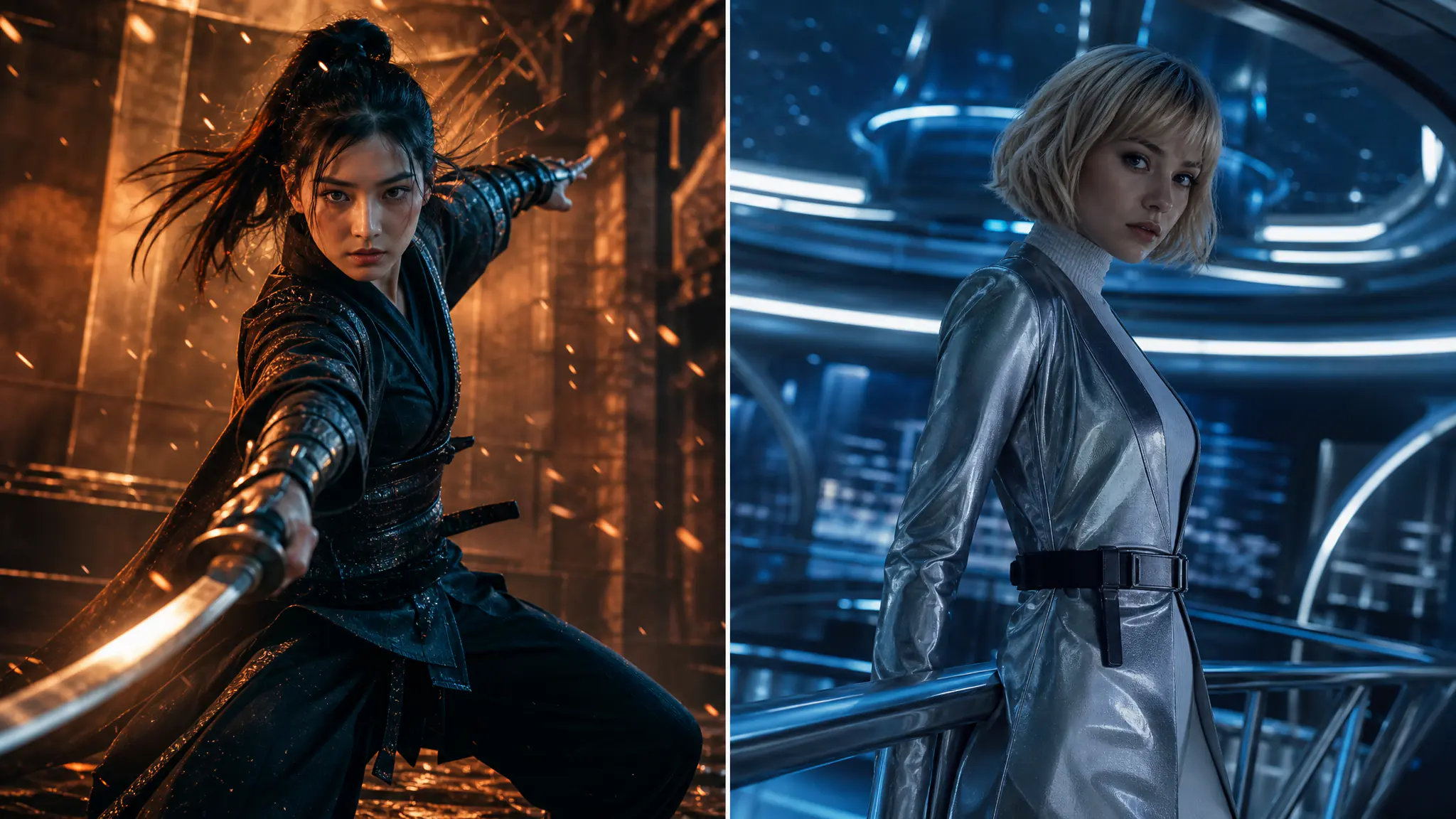
Kling 3.0 vs Veo 3: Which AI Video Generator Wins in 2026?
A side-by-side comparison of the two leading AI video models. Real prompts, real outputs, honest verdict.
 Ilyas I·Apr 28, 2026
Gemini Omni: What Google Actually Shipped, and How It Works on 7ART
Google's next-generation video model landed at I/O 2026 — and it isn't called Veo 4. What Gemini Omni Flash does, what Google documents, what it still can't do, and the exact settings and credit costs on 7ART.
Ilyas I·Aug 13, 2026
Nano Banana 2: Everything You Need to Know About Google's Latest Image Model
A deep technical and creative look at Nano Banana 2 — what it can do, how it compares to Midjourney and Flux, and how to get the best results.
Ilyas I·May 2, 2026