Nano Banana 2: Everything You Need to Know About Google's Latest Image Model

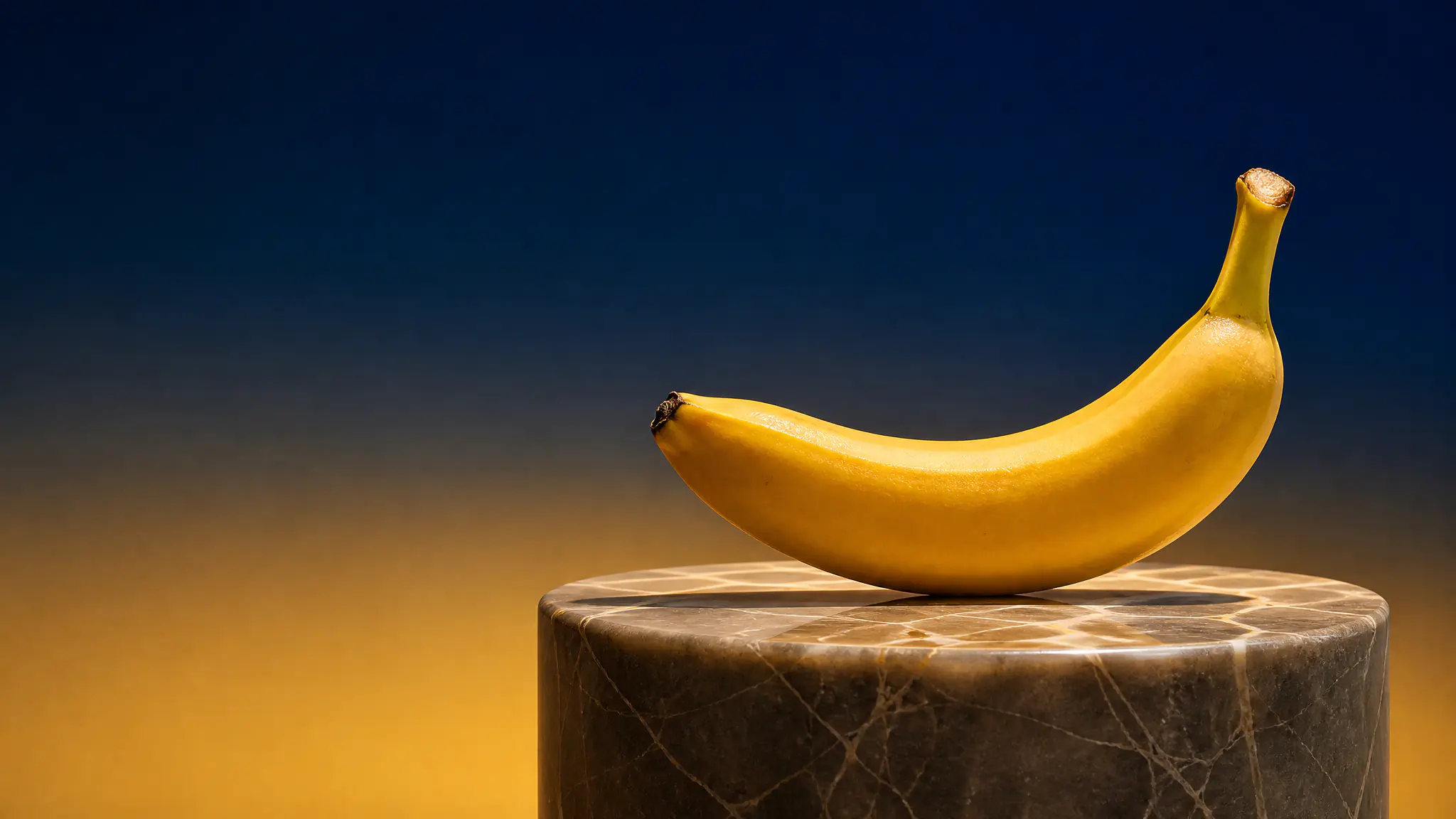
Nano Banana 2 is Google's latest text-to-image model, and for AI creator workflows it's the first model that's genuinely best-in-class on the metrics that matter for commercial output: prompt adherence, reference fidelity, text rendering, and consistency.
This is a working developer's review — not a benchmark beauty contest. The question is: which jobs is Nano Banana 2 actually the right tool for?
What's new in Nano Banana 2 vs version 1
The headline jumps:
- Reference-image budget: 14 references per generation (up from 4 in v1) — used heavily in our AI artist workflow.
- Text rendering: legible text in 3-4 lines is now reliable.
- Likeness preservation: consistent characters from reference photos hold across diverse scenes.
- Prompt adherence: complex multi-part prompts are followed more literally.
- Resolution: 4K native (up from 2K).
The version numbers don't capture how big a leap this is for production workflows. v1 was good for one-off pretty pictures. v2 is the first model where you can hand it a character reference set and trust the output to look like the same person in fifty different scenes.
Strengths: where Nano Banana 2 wins
Character consistency from references. This is the single biggest advance. Drop in 5-10 reference photos of your AI artist and Nano Banana 2 holds the face, body, and style across radically different scenes — beach, studio, snow, neon-lit alley. Other models drift; Nano Banana 2 holds.
Design your AI artist in four quick screens – name, gender and age, ethnicity, art style and hair. 7ART renders their avatar, a reusable reference sheet and a debut track with a matching voice persona.
Text in images. Three to four lines of clean, legible text — product packaging, posters, magazine covers, café menus, signage. This unlocks design-heavy use cases that were broken on every prior generation of model.
Magazine cover, 'TIME — Person of the Year 2026' headline at the top, a thoughtful portrait of a young woman as the subject, deep red border around the cover, masthead in black. Studio lighting, editorial photography style. Magazine title fully legible, subject's face holding identity from references.Prompt adherence on complex scenes. "A boy in a yellow raincoat walking past a red phone booth, holding a red umbrella in his left hand, facing left, golden hour lighting" — every clause respected. v1 would have given you the boy and the rain but forgotten the booth or the umbrella's hand.
Style transfer from a reference image. Pass a stylistic reference (a painting, a photograph) and v2 actually applies the style coherently rather than just picking up the colour palette.
Limitations: where it falls short
Pure artistic / surreal output. Midjourney v7 still produces more interesting aesthetic output for moody, stylised, dream-like work. Nano Banana 2 is more literal, which is a feature for commercial work and a bug for art-directed creative.
Very long text passages. Three or four lines: clean. A whole paragraph of product copy: still scrambled. Don't try to render entire blog posts in a single image.
Hyper-realistic faces of real people. Intentionally constrained — Google has guardrails against generating identifiable real people from prompts alone. With explicit reference photos and consent, the system permits it; from a text prompt of "President X" you get a sanitised lookalike.
Extreme resolution detail. 4K is the native ceiling. Beyond that the model relies on upscaling, which is competent but not magical.
The "limitations" section is almost always more useful than the "strengths" section when picking a model. Strengths sell; limitations ship products. Knowing what Nano Banana 2 won't do well is what tells you when to reach for a different model.
Comparison with Midjourney v7 and Flux 2
A working comparison across the three production-grade image models in 2026:
| | Nano Banana 2 | Midjourney v7 | Flux 2 | |---|---|---|---| | Prompt adherence | ★★★★★ | ★★★ | ★★★★ | | Aesthetic quality | ★★★★ | ★★★★★ | ★★★★ | | Reference fidelity | ★★★★★ | ★★★ | ★★★★ | | Text rendering | ★★★★★ | ★★ | ★★★ | | Speed | ★★★★ | ★★★ | ★★★★★ | | Cost per image | ★★★★ | ★★★ | ★★★★★ | | Character consistency | ★★★★★ | ★★ | ★★★ |
Use Nano Banana 2 when consistency, reference fidelity, or text matter. Use Midjourney v7 when you want pure aesthetic punch for hero imagery. Use Flux 2 when speed and cost matter more than the last 5% of quality.
Best prompts for Nano Banana 2
A pattern that works well: subject + reference style + lighting + composition. Be specific in each section.
Editorial fashion photograph, full-body shot of [SAVED_CHARACTER] wearing an oversized navy wool coat and white sneakers, leaning against a graffitied brick wall in Brooklyn. Cool overcast daylight, slight haze, captured on a 35mm lens, shallow depth of field, magazine spread aesthetic. Background out of focus, subject in sharp detail.Product hero shot of a matte-black coffee mug on a textured oak table, steam rising visibly. Top-down composition, soft window light from upper left, shallow depth of field, single white minimalist label on the mug reading 'Origin No. 7' in clean modern serif. Magazine product photography, warm-neutral palette.Cinematic still, [SAVED_CHARACTER] standing on a Tokyo rooftop at night, neon city skyline behind, light rain, holding an umbrella. 35mm anamorphic lens, slight handheld feel, magenta and cyan neon reflecting off wet surfaces. Blade Runner 2049 aesthetic, character identity preserved exactly from references.When to use Nano Banana 2 vs other models
A practical decision tree:
- Need character consistency? Nano Banana 2.
- Need text in the image? Nano Banana 2.
- Need a specific scene from a complex multi-clause prompt? Nano Banana 2.
- Want maximum aesthetic punch for a hero image? Midjourney v7.
- Need 50 thumbnails fast and cheap? Flux 2.
- Need 4K commercial output? Nano Banana 2.
Try Nano Banana 2 on 7ART
Best-in-class character consistency and text rendering. Free credits during the demo.
The two-line summary: Nano Banana 2 is the model you reach for when you need reliable output. It's not always the most beautiful, but it's the most controllable — and for production work, controllable beats beautiful every time.
Try the tools mentioned
AI Image Generator
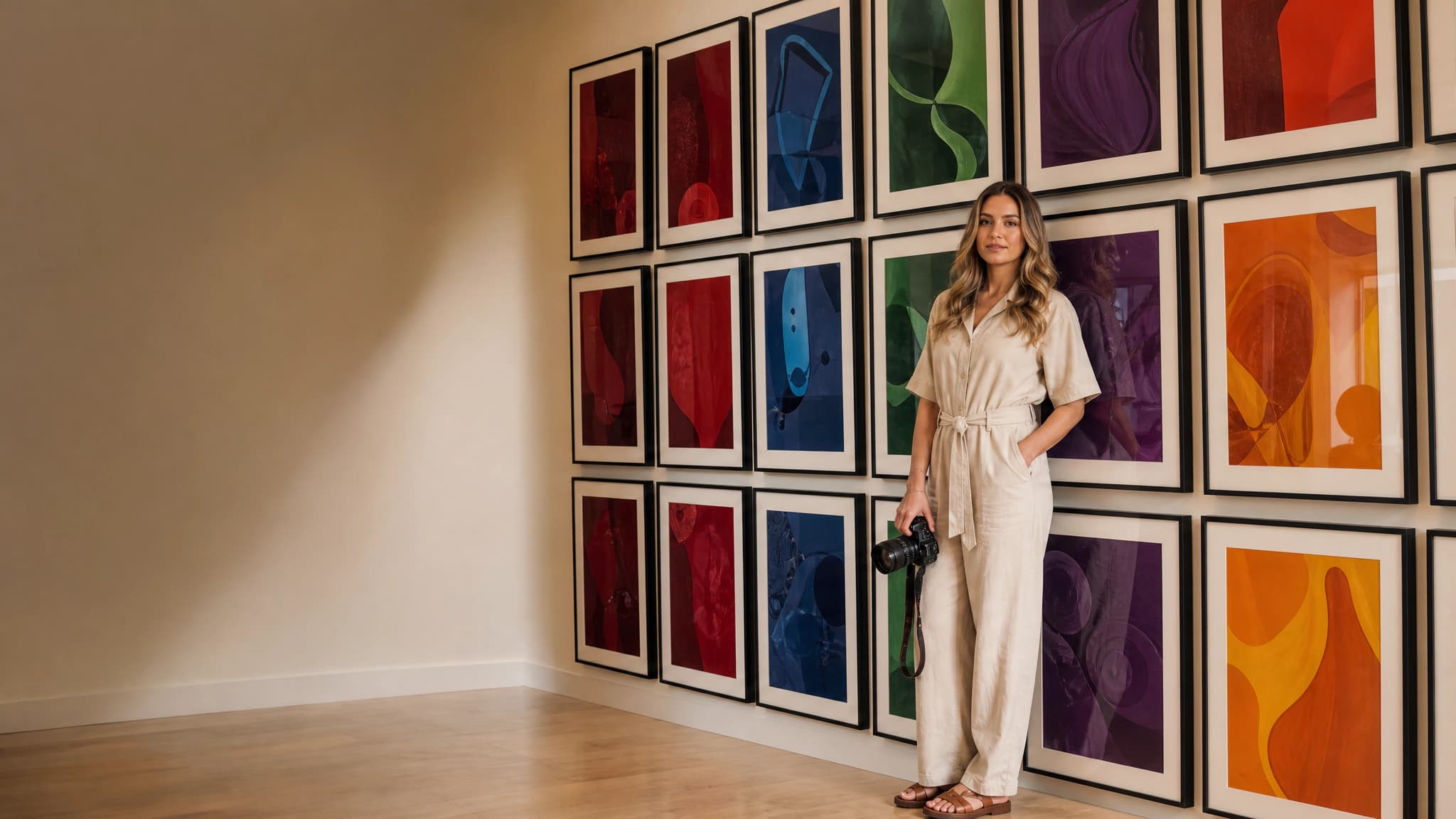
Create your AI artist once, then generate every image around them. Sixteen models, batches of up to four, and up to ten aspect ratios – in one place.
AI Artist Generator
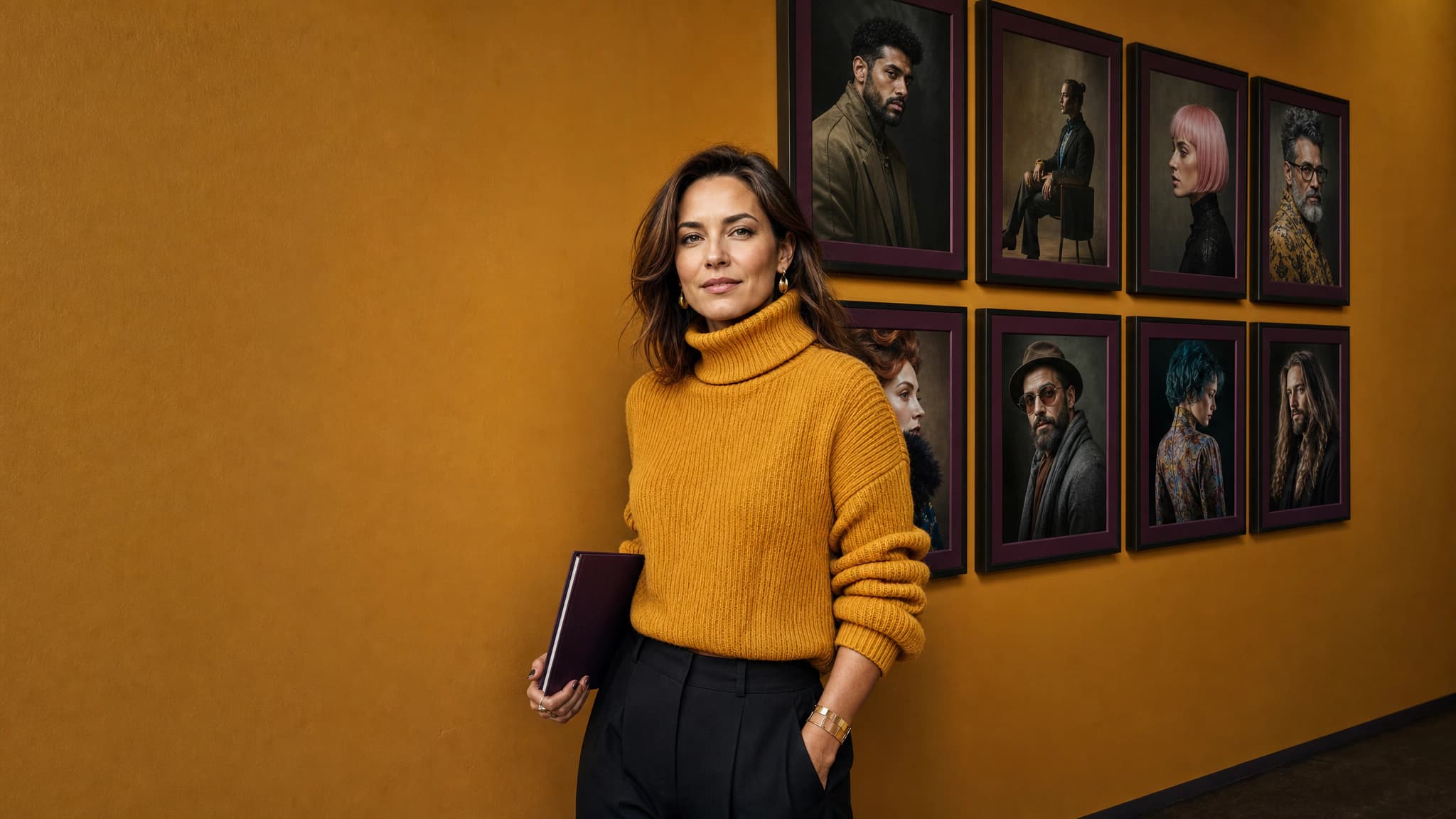
Design your AI artist in four quick screens – name, gender and age, ethnicity, art style and hair. 7ART renders their avatar, a reusable reference sheet and a debut track with a matching voice persona.
Frequently asked questions
Ilyas I
Covers AI model releases, head-to-head comparisons, and deep technical breakdowns of image, video, and music generators. Part of the 7ART team.
Stay updated
Newsletter signup coming soon.
Continue reading
Gemini Omni: What Google Actually Shipped, and How It Works on 7ART
Google's next-generation video model landed at I/O 2026 — and it isn't called Veo 4. What Gemini Omni Flash does, what Google documents, what it still can't do, and the exact settings and credit costs on 7ART.
 Ilyas I·Aug 13, 2026
Best Kling 3.0 Prompts for Cinematic AI Videos in 2026
A curated collection of Kling 3.0 prompts that produce cinematic, high-quality AI video. Plus prompt structure templates you can adapt.
Ilyas I·May 5, 2026
How to Create an AI Influencer in 2026: A Step-by-Step Guide
A step-by-step guide to building a virtual influencer with consistent face, style, and voice — and using them to grow an audience or run brand campaigns.
 George R·May 10, 2026