
Kling 3.0 vs Veo 3: Which AI Video Generator Wins in 2026?

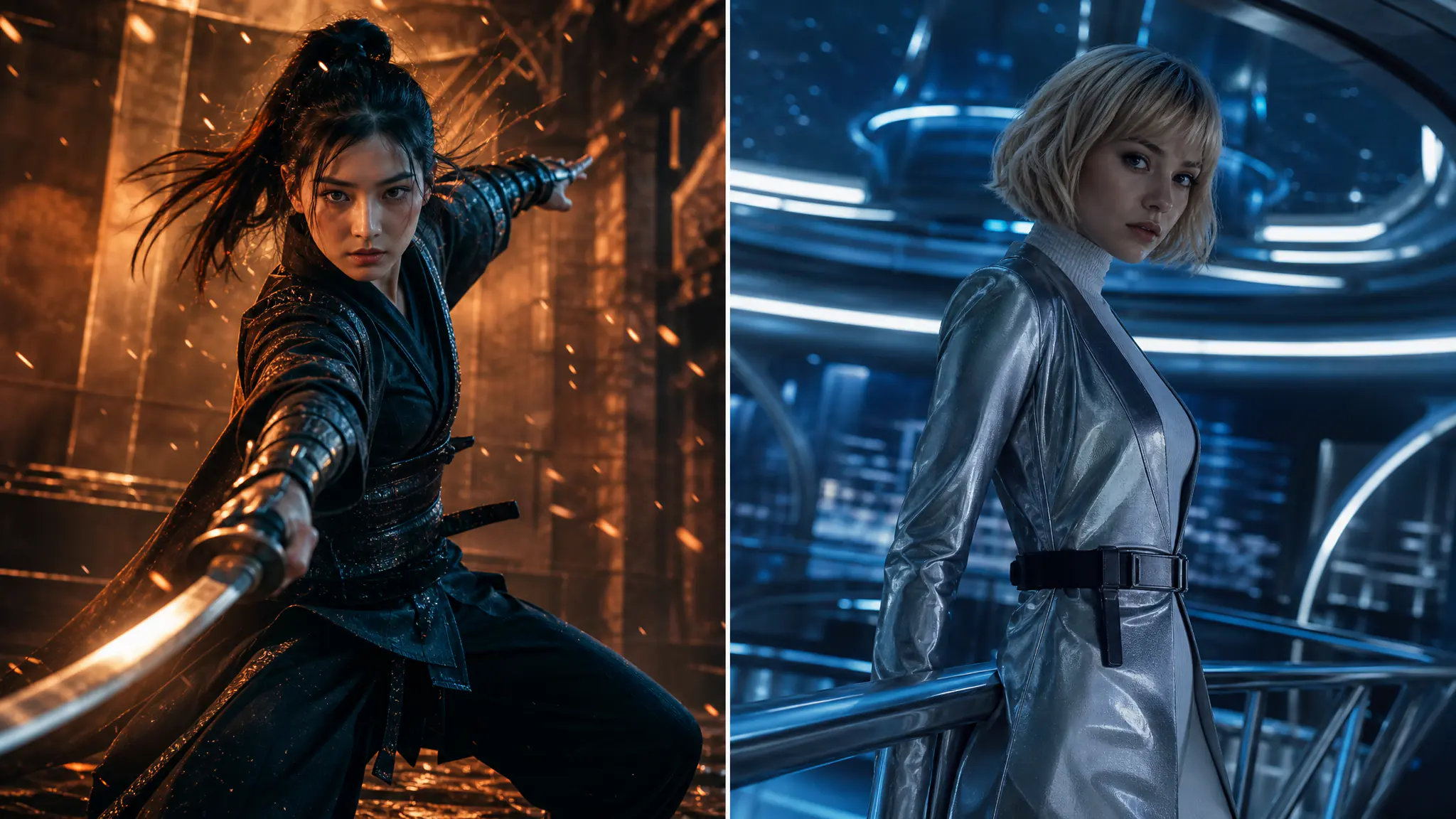
The two leading AI video models in 2026 are Kling 3.0 and Google Veo 3. Both produce 5-10 second clips at 1080p, both support image-to-video, and both have audio. So which actually wins?
The honest answer: neither, universally. They have different strengths, and the "winner" depends on what you're producing. (Heads-up: Google's next-generation video model shipped at I/O 2026 as Gemini Omni, not as a new Veo — worth reading before you commit to either of these.)
This is a working comparison from running both on the same prompts every week for the last two months.
Quick verdict (TL;DR)
- Cinematic hero shots: Veo 3.
- Character-driven content with consistent identity: Kling 3.
- High-volume creative iteration: Kling 3 (cheaper + faster).
- Physics-heavy motion (sport, fluid, fabric): Veo 3.
- UGC ad style content: Kling 3 (handheld feel + cost).
- Anything where you can only afford one: Kling 3 — it covers more ground for less.
The rest of this article is the evidence behind that.
Visual quality side-by-side
For pure per-frame visual quality, Veo 3 has a slight edge. The textures hold up better at full resolution, the lighting is more nuanced, and the level of detail in backgrounds is consistently higher.
The gap is smaller than it was a year ago. On a phone screen at typical social-media sizes, the difference is often imperceptible. On a YouTube thumbnail or a TV-resolution asset, the gap becomes visible.
A young woman walking through a foggy forest at dawn, golden light filtering through tall pines, slow tracking shot from behind, 35mm lens, shallow depth of field, cinematic motion.Same prompt run on Veo 3 produces a slightly more atmospheric result — the fog catches light more believably and the depth-of-field falloff feels more like a real camera lens. Side by side, you'd pick Veo. As a standalone clip, Kling looks great on its own.
The "side by side" qualifier matters. Almost no real-world viewer ever sees both outputs of the same prompt. Audiences see the clip in their feed, decide if it works, and move on. Don't optimise for differences invisible to your actual viewer.
Prompt adherence
Kling 3 is more literal. Veo 3 is more interpretive.
If you write a tightly constrained prompt with specific actions, lens choices, and lighting, Kling executes more faithfully. Veo will sometimes "improve" the prompt — taking creative license that produces a beautiful clip but not the one you asked for.
For art-directed work where you have a vision, Kling. For "just make me something cinematic with this vibe," Veo.
Motion realism and physics
This is Veo's clearest win. Specifically:
- Fabric and hair: Veo handles flowing dresses, hair in wind, jacket folds noticeably better.
- Liquids: water, coffee, smoke — Veo's are more physically plausible.
- Body mechanics: running, jumping, tossing — fewer artifacts in Veo.
- Object interactions: picking up, dropping, colliding — Veo's are cleaner.
Kling has closed the gap on simple motion (walking, head turns, gesture) but for dynamic physics-heavy shots, Veo is meaningfully ahead.
Slow-motion shot of a tennis ball bouncing off a clay court, dust kicking up, ball deforming on impact, sunny outdoor day, side angle close-up, 240fps look.Run on Veo, the dust cloud is more granular and the ball deformation more convincing.
Cost per generation
Through current 7ART pricing:
- Kling 3, 5s clip @ 1080p: ~50 credits
- Veo 3, 5s clip @ 1080p: ~80 credits
That's a 60% premium for Veo. Stacked over a campaign of 30 iterations, the difference matters.
For volume work — A/B testing ad creative, generating dozens of social posts — Kling's economics flip the math. For a single hero shot where a 60% premium is rounding error, use Veo.
Animate your AI artist into Reels, TikToks, ads and cinematic clips. Kling, VEO 3.1, Seedance, Wan, Grok Imagine, MiniMax H3 and our own 7Video – every major video model in one workspace.
Speed and reliability
- Kling 3: 5s clip lands in 60-90s; 10s clip in 2-3 minutes.
- Veo 3: 5s clip in 90-120s; 10s in 3-4 minutes.
Both are reliable within 7ART's queue. Kling's faster turnaround compounds when you're iterating — you get through 4-5 attempts in the time it takes to do 3 on Veo.
Final recommendation by use case
You're building an AI influencer → Kling 3. Character consistency wins; cost matters because you'll generate hundreds of clips.
You're shooting a hero piece for a brand campaign → Veo 3. Physics realism wins; cost is rounding error against the campaign budget.
You're running performance ad creative tests → Kling 3. Volume + cost + speed.
You're producing a music video → Both. Use Veo for hero shots and dramatic moments; use Kling for connecting shots and B-roll where character must hold across many clips.
You're new to AI video → Kling 3. Lower cost per experiment, faster iteration, more forgiving prompts.
Try both in 7ART
Both models accessible from the same studio. No tool-switching, no separate billing.
The "winner" question gets more interesting when you flip it: which model could you live without? For a working creator running multiple campaigns, Kling 3 covers 80% of the workload and Veo 3 covers the prestige 20%. Lose Kling and your output volume collapses. Lose Veo and your hero shots get a little less spectacular but everything still ships.
That's the real verdict. Kling is the workhorse; Veo is the showpiece. Use both, lean Kling.
Try the tools mentioned
Frequently asked questions

Ilyas I
Covers AI model releases, head-to-head comparisons, and deep technical breakdowns of image, video, and music generators. Part of the 7ART team.
Stay updated
Newsletter signup coming soon.
Continue reading
Best Kling 3.0 Prompts for Cinematic AI Videos in 2026
A curated collection of Kling 3.0 prompts that produce cinematic, high-quality AI video. Plus prompt structure templates you can adapt.
 Ilyas I·May 5, 2026
Gemini Omni: What Google Actually Shipped, and How It Works on 7ART
Google's next-generation video model landed at I/O 2026 — and it isn't called Veo 4. What Gemini Omni Flash does, what Google documents, what it still can't do, and the exact settings and credit costs on 7ART.
Ilyas I·Aug 13, 2026
How to Create an AI Influencer in 2026: A Step-by-Step Guide
A step-by-step guide to building a virtual influencer with consistent face, style, and voice — and using them to grow an audience or run brand campaigns.
 George R·May 10, 2026