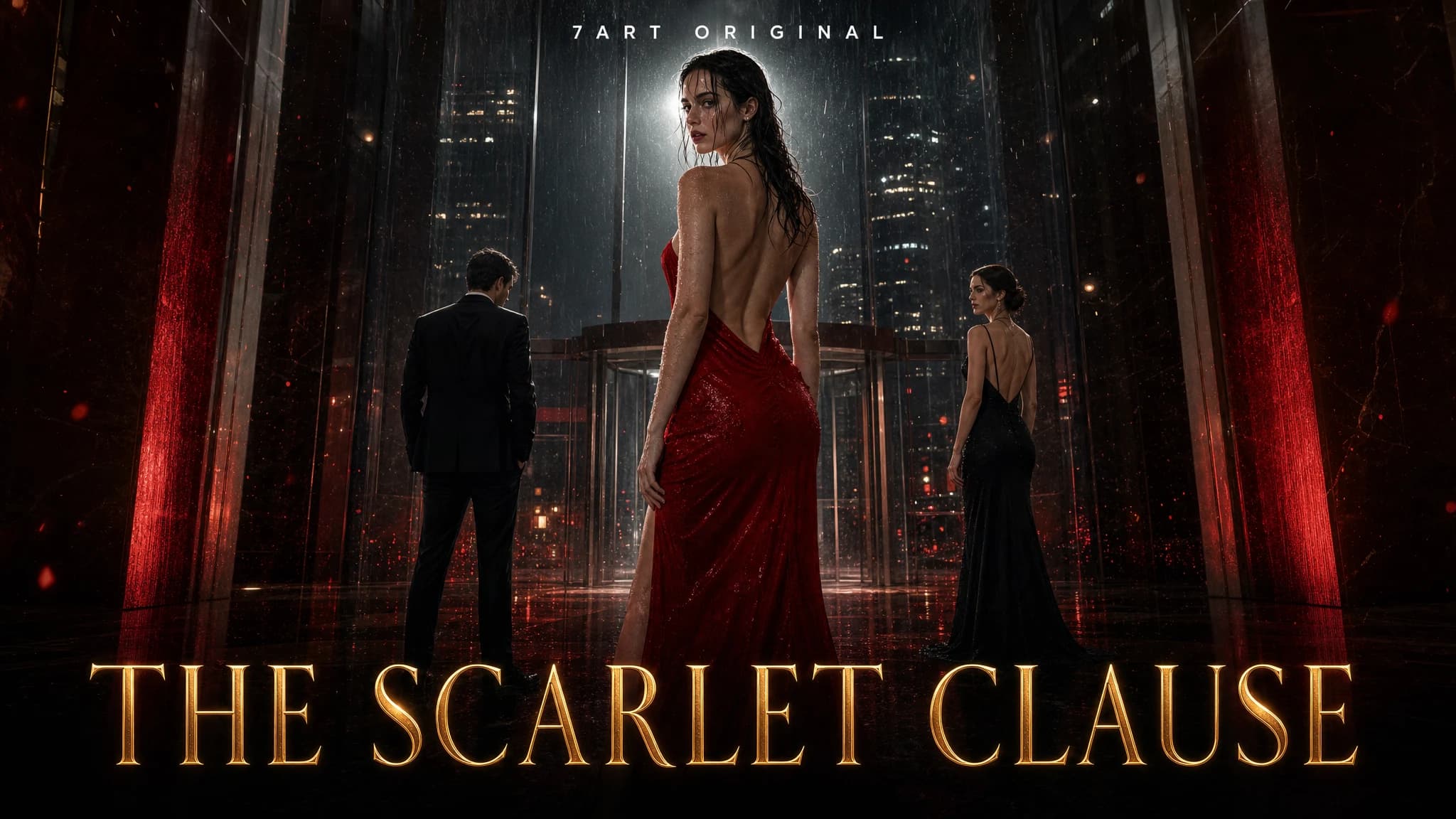

Short drama key art — a woman in a scarlet gown lit by hard rim light in front of a rain-soaked night skyline
7ART

AI Short Drama Generator – Write, Cast and Shoot a Series

Take one idea to a finished vertical series. An AI showrunner writes the episodes and the cliffhangers, you cast the characters and lock the sets once, and every scene is filmed with the same faces.

Try Short Drama free

Powered by the best generation models

Kling AIGoogleGeminiByteDanceWan AISunoElevenLabs

How 7ART shoots a short drama

Writing, casting, sets and the shoot — one project, start to finish.
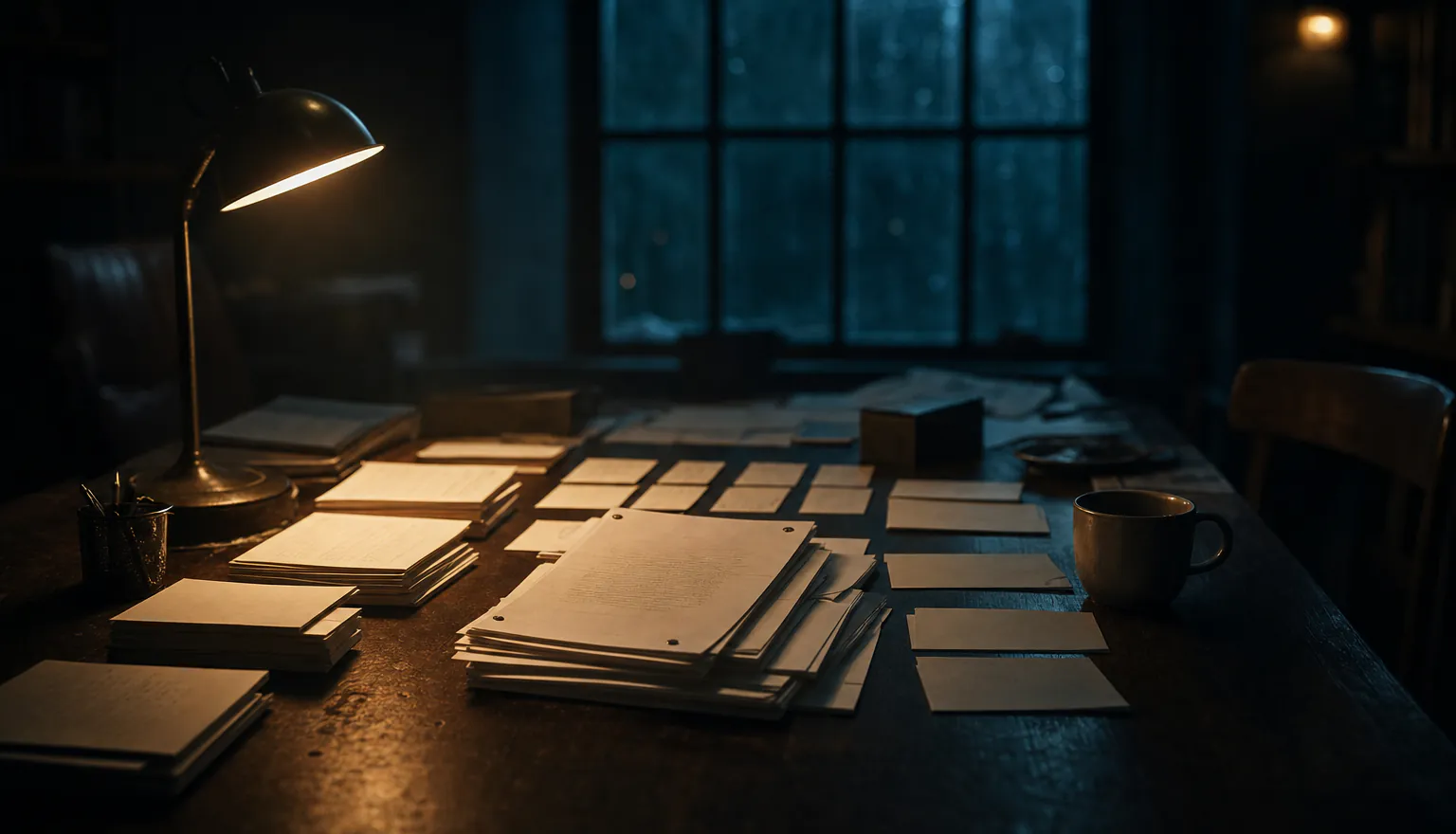
Script pages and index cards spread across a writers-room table under a single desk lamp at night
WRITERS ROOM

A showrunner that actually plots the season

Your idea goes through staged writing turns rather than one big prompt: it gets condensed, then the AI asks you positioning questions, interviews you (six questions at most), writes the logline, then an outline that gives every episode its own goal and emotional beat, then a hook chain so each episode ends where the next one has to begin. Every stage is yours to re-run.
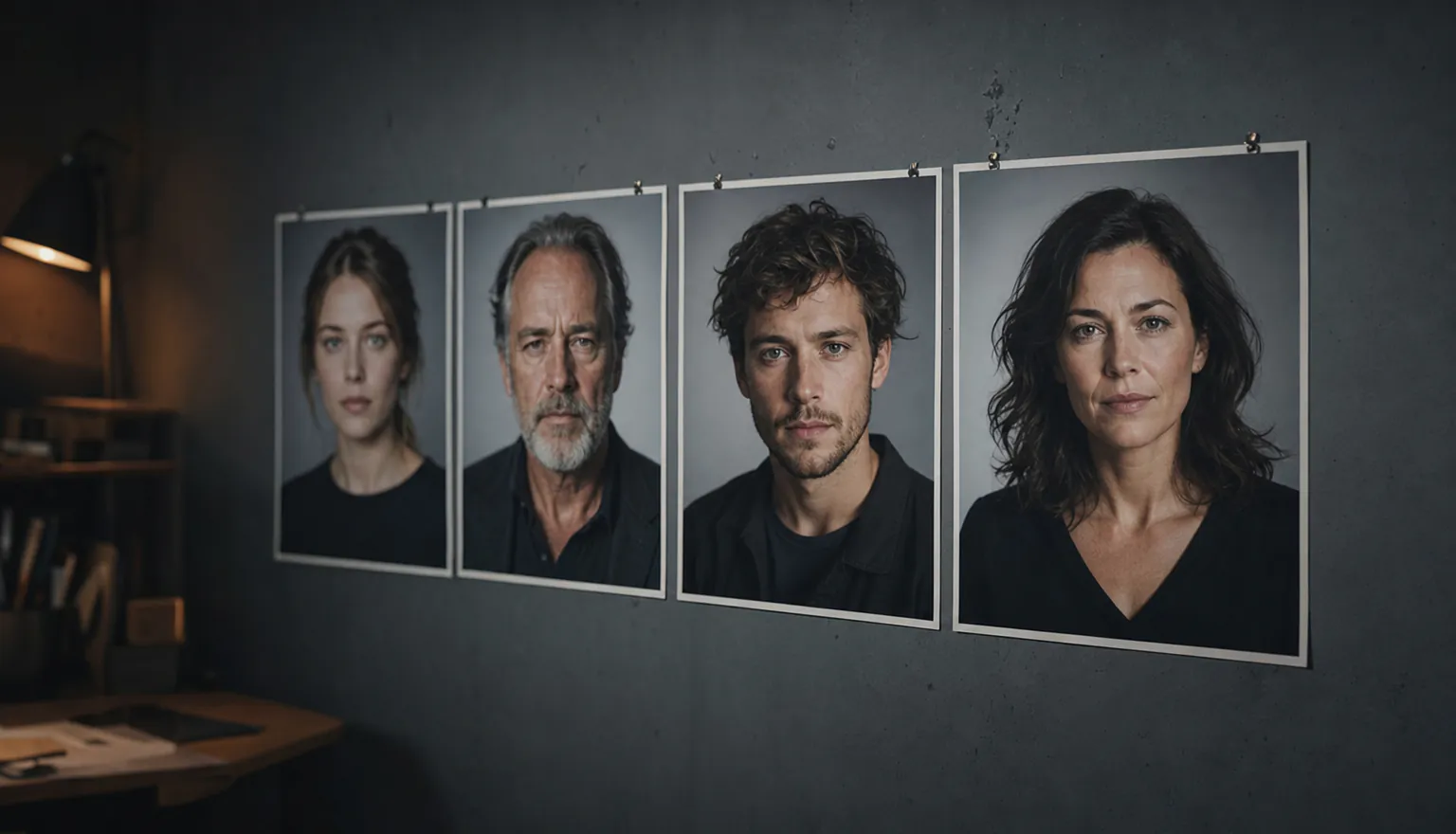
Four printed actor headshots pinned in a row on a dark casting wall
CASTING

Cast once, and they stay cast

Characters, environments and props are saved as entities with their own reference looks, so episode six is filmed with the same face as episode one. A project holds up to 12 characters, 30 environments and 30 props. Looks render on Nano Banana 2, Nano Banana Pro, GPT Image 2, Seedream 4.5, Seedream 5 Lite or Z-Image, up to four variants per submit.
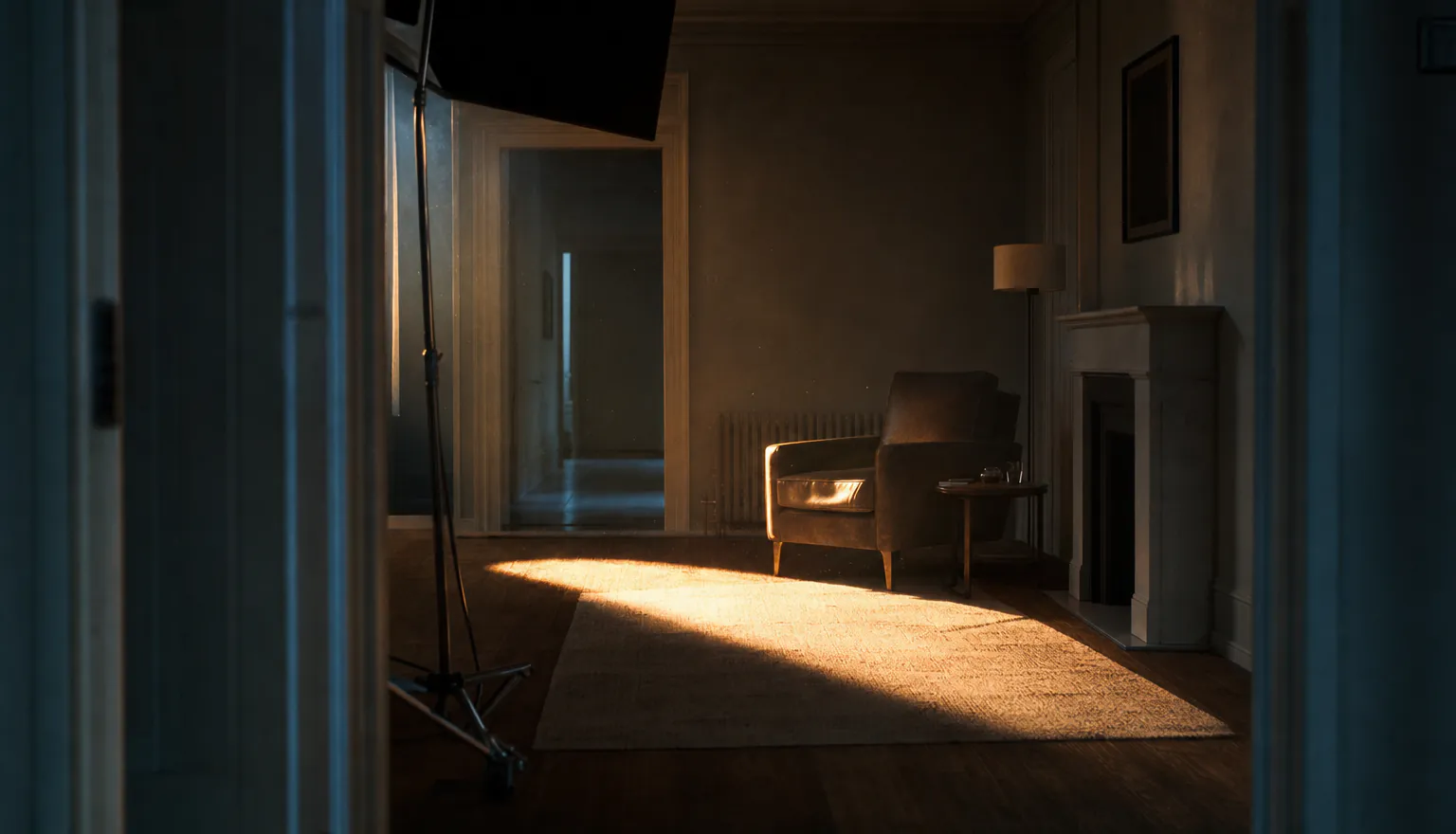
An empty apartment standing set at golden hour with a film lighting stand just inside frame
STANDING SETS

Locations that do not drift between episodes

An environment is built once as an entity and referenced by every scene shot there, which is what stops the apartment from changing colour between takes. Scenes carry their entities into the video prompt automatically, so the set, the props and the cast arrive together instead of being re-described each time.
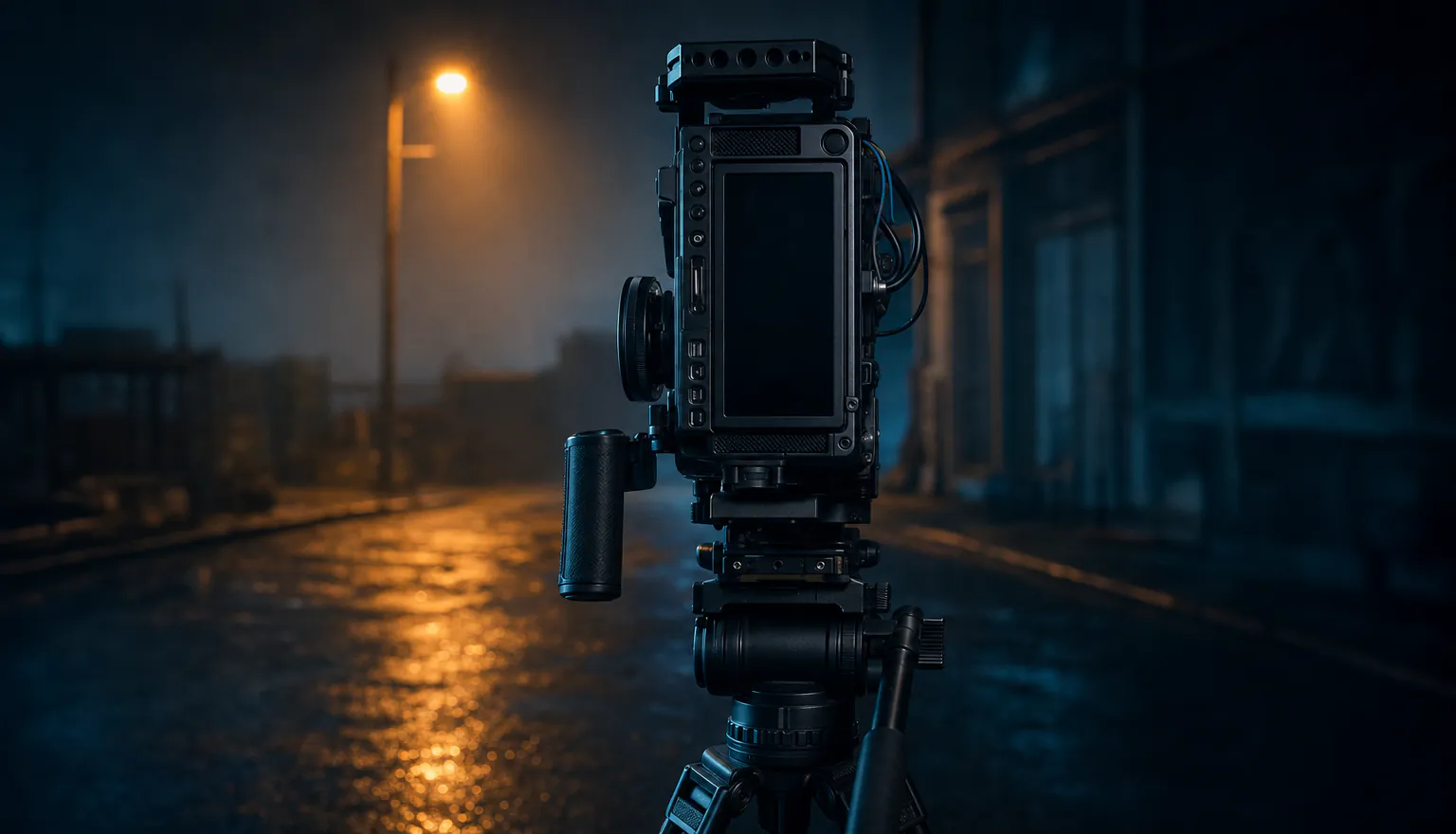
A cinema camera turned on its side in a portrait rig, filming a wet night street
THE SHOOT

One render per scene, not per shot

Scenes are filmed whole. The prompt carries a cinematography directive that asks for shot variation inside the render, so a single generation comes back with internal cuts instead of one locked-off angle. Shoot on Seedance 2.0, Seedance 2.5, MiniMax H3, HappyHorse 1.1 or Gemini Omni, in 9:16 (the default), 16:9 or 1:1.
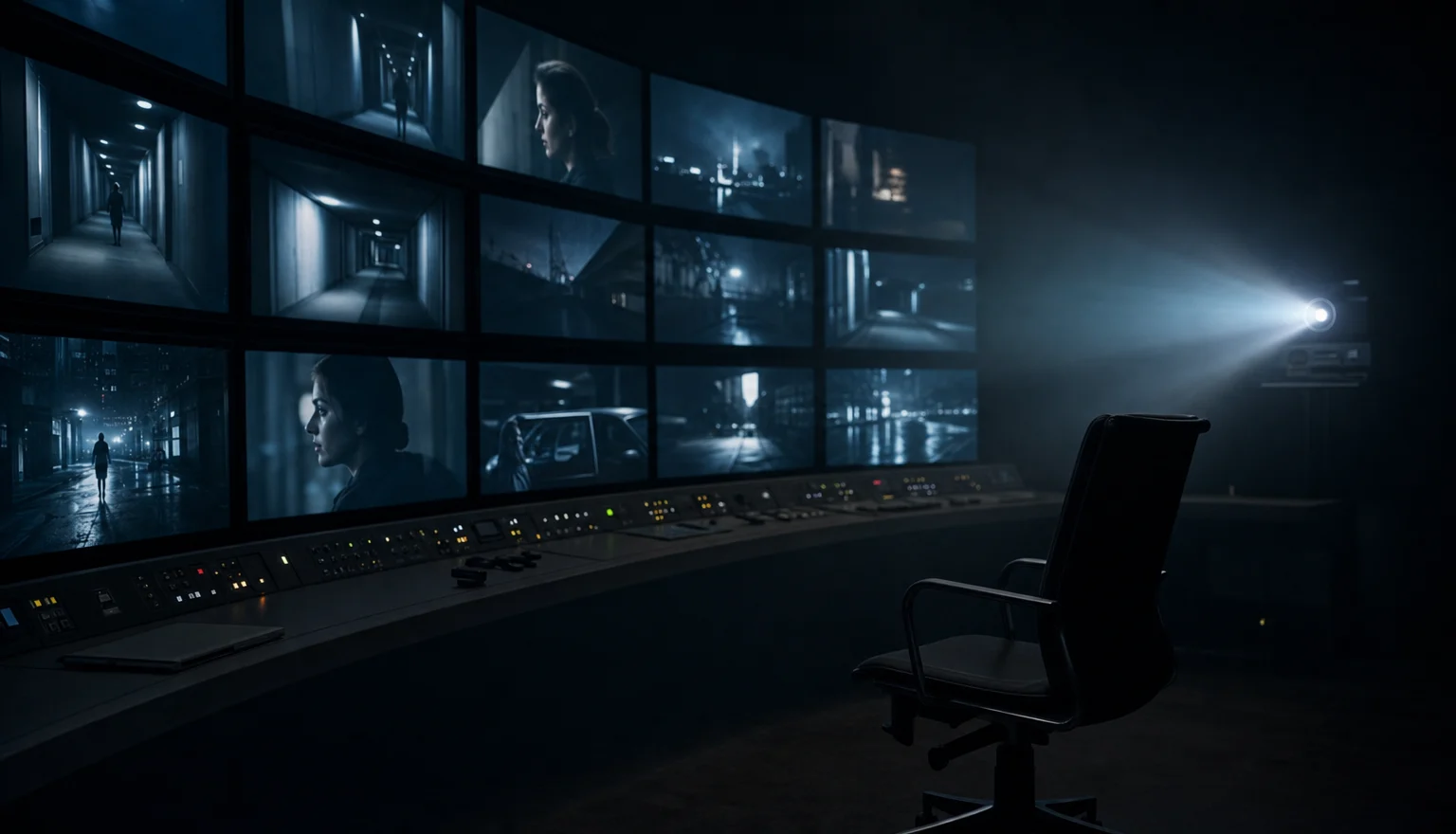
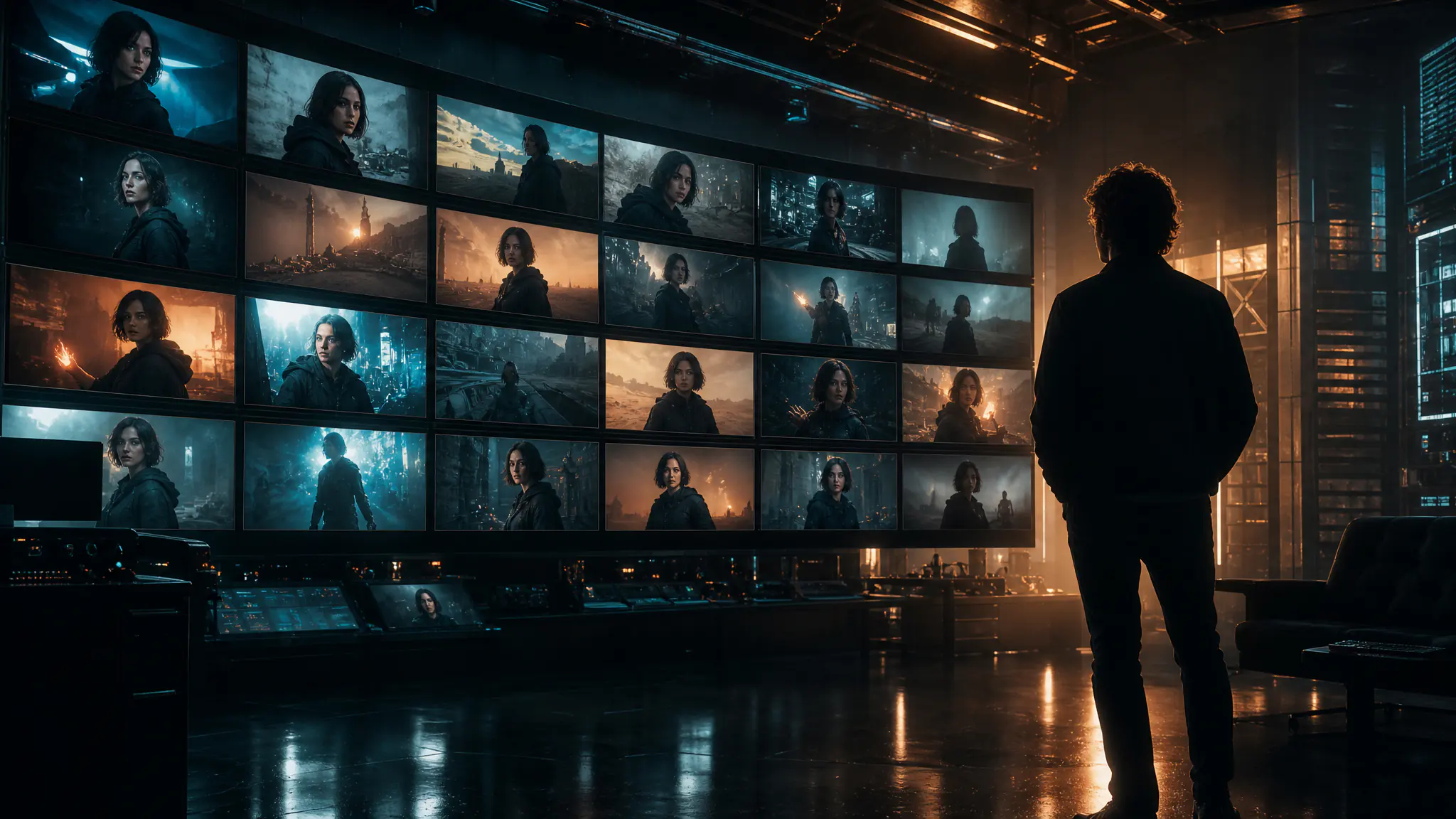
A dark, empty broadcast control room where a wall of small monitors each shows a different frame from the same drama
AUTOPILOT

Generate the rest of the series unattended

Press it once and the run scripts and shoots one episode at a time instead of writing every script first. If the credits run out you are left with finished episodes rather than six scripts and no film. The run survives a reload, pauses when the balance is gone, keeps everything already generated, and picks up at the first unfinished item after a top-up.
A worn hardback novel lying closed on a black table beside a stack of blank index cards under one narrow beam of light
SOURCE

Start from a novel, a script or one line

Type one line, or attach what you already wrote. Short Dramas reads .txt, .md and .fountain files, takes the first 24,000 characters and condenses them into a premise you can work from. You also choose the writing voice, working screenwriter, micro-drama specialist, novelist or punch-up, and a content ceiling, and both are carried into every writing turn.
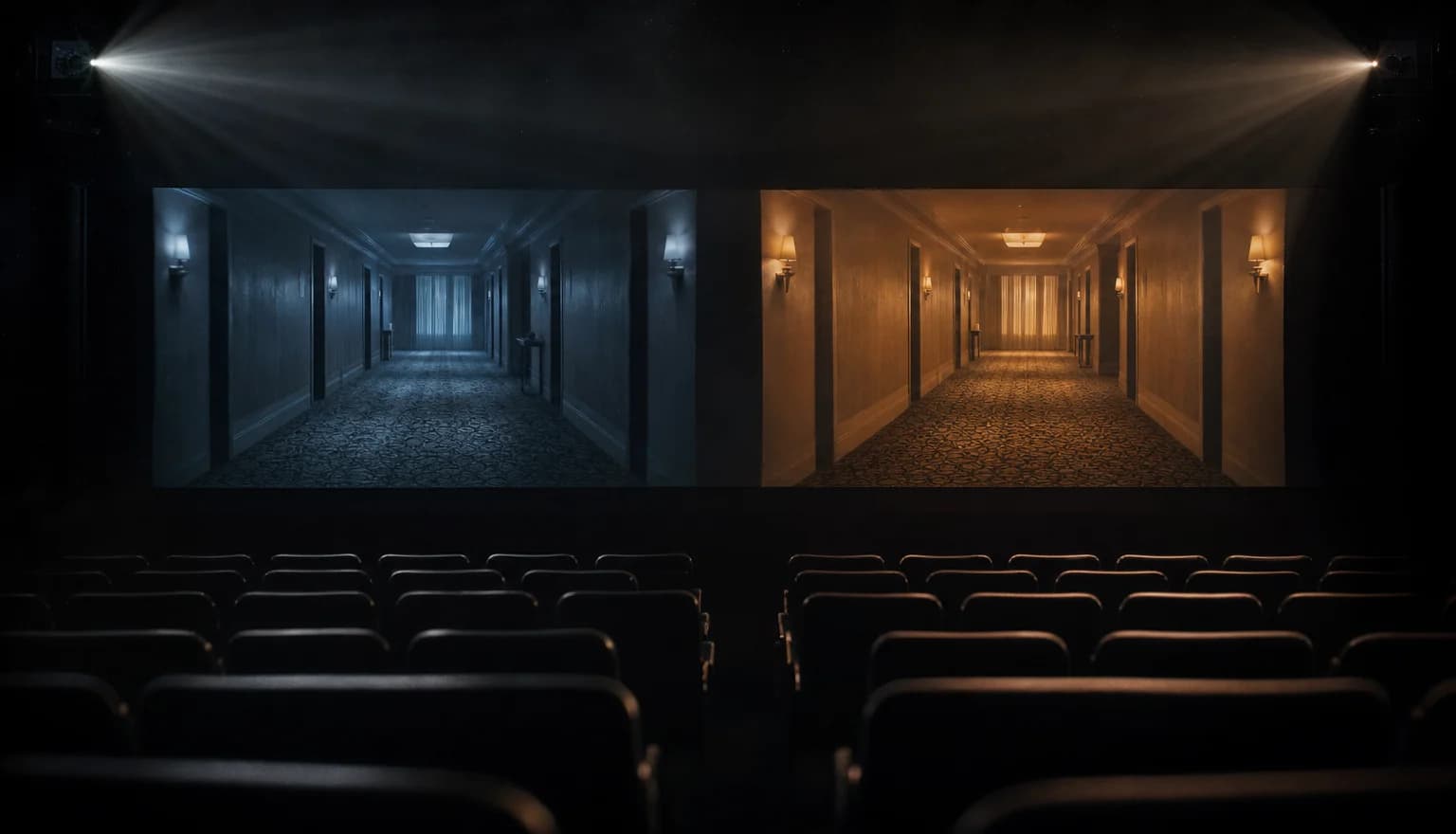
A dark screening room with two projections of the same empty corridor side by side, one graded cold blue and one warm amber
LOOK

One look, frozen for the whole series

Choose a live-action or animation style at setup: 35 presets, from theatrical cinematic and Nordic noir to cel anime and ink-wash wuxia, or describe your own. The choice is frozen onto the project as a snapshot, so a preset corrected later cannot restyle a series that is already half shot. Presets describe a look; none is named after a director or a franchise.

Made with 7ART AI Short Drama Generator

Want to make your own?Generate your own

How 7ART compares

Start from an idea, a script or a novel
7ART
Topview Drama Studio
Teleplay
Reusable cast, locations and props with reference images
7ART
Topview Drama Studio
Teleplay
Choose the video model per scene
7ART5 models
Topview Drama StudioNot stated
TeleplayNot stated
Whole-series credit cost quoted before you start
7ART
Topview Drama StudioNot stated
TeleplayNot stated
Unattended run that scripts and shoots the remaining episodes
7ART
Topview Drama StudioNot stated
TeleplayNot stated
Built-in AI voiceover and auto captions
7ART
Topview Drama Studio
Teleplaypartial
Finished episode opens on an editable timeline
7ART
Topview Drama StudioNot stated
Teleplay

Named models, not a black box

You see which engine renders each job, and you pick it yourself — on one credit balance, with no separate subscription per model.

Powered by

ByteDanceSeedance 2.5 · 2.0
MiniMaxMiniMax H3
GoogleNano Banana 2 · Pro
GeminiGemini Omni
OpenAIGPT Image 2

Plans

Every plan unlocks the whole studio. They differ only in how long they run.

4 weeks

Save 61%

Try the whole studio for a month.

$38.95$15.19

for your first 4 weeks, then $38.95 every 4 weeks · $9.74/week

  • 4,000 credits every 4 weeks
  • Every app, model and studio
  • 4K downloads, no watermark
  • Commercial use permitted by our Terms
  • Download everything you generate
Get 4 weeks
Most popular

12 weeks

Save 61%

The one most people pick.

$66.65$25.99

for your first 12 weeks, then $66.65 every 12 weeks · $5.55/week

  • 6,000 credits every 12 weeks
  • Every app, model and studio
  • 4K downloads, no watermark
  • Commercial use permitted by our Terms
  • Download everything you generate
Get 12 weeks
Best value

Year

Save 61%

Lowest price per week.

$149.99$58.49

for your first year, then $149.99 every year · $2.88/week

  • 10,000 credits every year
  • Every app, model and studio
  • 4K downloads, no watermark
  • Commercial use permitted by our Terms
  • Download everything you generate
Get Year

See full pricing details →

Frequently asked questions

  • It runs the whole pipeline a short-form series needs. First the writing: your idea is condensed into a workable premise, you answer a short interview, and the AI returns a logline, a per-episode outline with stage goals and emotional beats, and a cliffhanger chain that links the episodes together. Then production: characters, environments and props are saved with reference images so they stay consistent, scenes are scripted in batches, and each scene is rendered as a video. You review and can re-run every stage — nothing is generated behind your back.

  • There is no flat series price — you pay for the renders at the same rates as the rest of the studio, and the setup card quotes the whole series live before you start, next to the two controls that move the number (episode count and episode duration). For reference: a look image on the default Nano Banana 2 at 2K is 24 credits, and a scene on Seedance 2.0 is 19 credits per second at 480p or 41 at 720p. The writing stages are LLM turns and cost only a few credits per project. A six-episode series is a large spend, which is exactly why the estimate is shown up front instead of behind a wall.

  • Video: Seedance 2.0, Seedance 2.5, MiniMax H3, HappyHorse 1.1 and Gemini Omni. Images for character and location looks: Nano Banana 2 (the default), Nano Banana Pro, GPT Image 2, Seedream 4.5, Seedream 5 Lite and Z-Image. Two caveats worth knowing before you pick: Z-Image is text-to-image only, so it cannot render a look that has to derive from a reference, and Seedance 2.5 tops out at 720p — Seedance 2.0 is the tier with 1080p.

  • Up to 12 episodes per project, up to 8 scenes per episode, and up to 12 characters, 30 environments and 30 props (60 entities in total). Those are hard ceilings enforced by the API, not soft guidance. Because each scene is one render, the scene cap is what sets the size of the shoot: a six-episode series tops out at 48 video generations and a full 12-episode project at 96.

  • Yes. 7ART's terms permit personal and commercial use of what you generate, subject to those terms, applicable law, and any restrictions the underlying model providers impose — and the legal status of AI-generated output varies by country, so confirm what applies where you publish. One practical note: downloading finished files requires a paid plan. A free account can generate and watch, but not export.

  • Not on every deployment yet. Short Dramas is behind a real rollout gate, not a hidden menu item: where it is not yet enabled the studio shows it greyed with a "Soon" badge, the tool cannot be opened, and the API refuses calls to it. Every other tool on 7ART — image, video, music, voice, lipsync, 3D, manga — is available today. If Short Dramas is the reason you are subscribing, check that it opens on your account first.

  • Two ways, for two different jobs. When every scene in an episode has a finished take, "Open in the video editor" writes those takes into a 7ART editor project as one timeline in scene order, and you cut, title and score it there. Separately, Export builds a zip in your browser: the series bible, per-episode scripts, every scene prompt, character, environment and prop sheets in both Markdown and CSV, and the look images. Exporting costs no credits; downloading finished video files requires a paid plan.

  • Audio is off by default. Each project and each scene has an audio switch, and the models that support it generate their own sound with the clip; with the switch off, the prompt explicitly asks for no music and no ambient effects. There is no separate voiceover or auto-caption step inside Short Dramas, and every scene prompt asks the model not to burn subtitles or any other text into the picture. For narration, a sung line or a scored track, use Text to Speech, Lipsync, AI Music and the video editor after the shoot.

  • The run pauses and says so. Nothing already generated is lost, nothing already charged is charged twice, and after a top-up the run resumes at the first unfinished item instead of starting the episode again. Treat this as a normal path rather than a fault: Short Dramas has no plan gate, every tier gets in, and its defaults are the premium models, so a full six-episode series is one of the largest single spends on 7ART. If you just want to see the pipeline work, set the entry bar to a single episode.

  • No. Every scene is its own render and every stage is re-runnable on its own, so you re-shoot the one scene and leave the rest alone. Each attempt is kept as a take in a version rail and the scene keeps whichever take you make current. You can also edit the scene's prompt directly: the mention lines, the prose, the cinematography directive and the style block are one editable text field, and the reference chips show exactly which images will go into the render before you spend anything. If you rewrite a script after shooting, the affected scene is flagged as out of date rather than silently left wrong.

  • Longer than a single clip, much shorter than a shoot, and the video renders are the long pole. Each writing turn is one LLM call bounded at 90 to 240 seconds depending on the stage. Renders run in waves of three at a time, deliberately one below the per-user ceiling of four so you can still generate something else while a wave is going. At the default settings a six-episode series is 48 scene renders plus the look images — the default episode lengths and 8-second scenes put every episode on the 8-scene ceiling — and you do not have to sit and watch it: the run is resumable and the workspace picks it back up when you return.

  • No. The interview asks at most six questions and offers option chips for each one, and "Let AI decide the rest" ends it early. Genre, setting and trope come from fixed lists rather than a blank field, and episodes are labelled with the beat vocabulary micro-drama is actually written in, like reversal, betrayal and identity reveal. Every stage, premise, outline, hook chain, cast, scripts and scene prompts, can be re-run or edited by hand when you do not like what came back.

Start creating today

Free to start. No card required.